
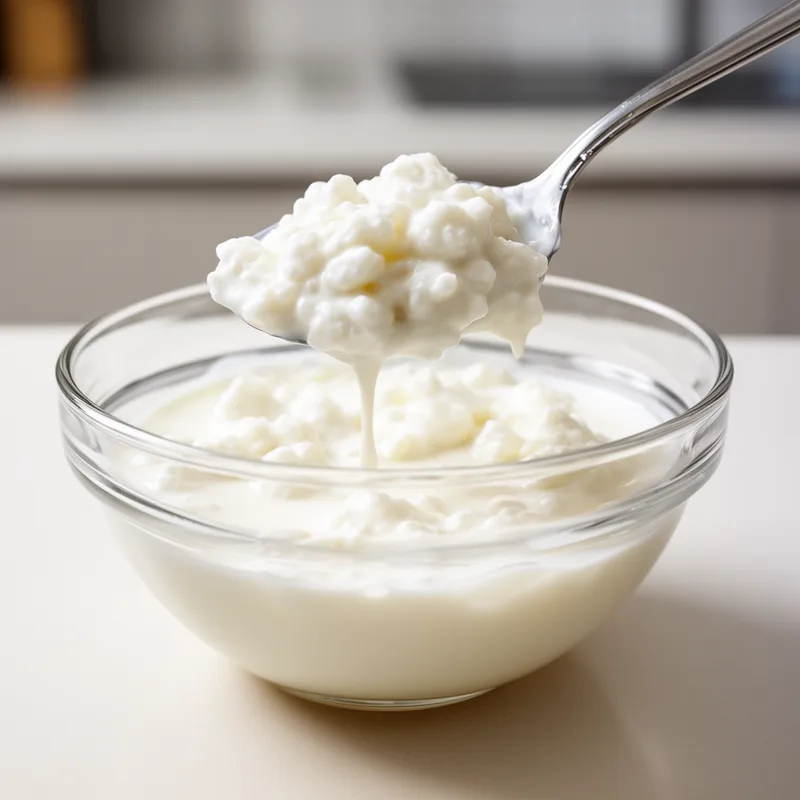
coagulate
- adjective
- /koʊˈæɡjʊleɪt/
- Specialized
- The surgeon noted that the coagulate blood made it easier to control the bleeding.
Examples
-
You could see the coagulate cream forming lumps as the milk soured.
-
After sitting out overnight, the soup had coagulate fat floating on the surface.
-
As the milk sat in the fridge for days, it began to coagulate and form a thick layer on top.
-
In the laboratory, the chemist observed how the heated gelatin began to coagulate after it cooled.
-
After the blood sample was left at room temperature, it started to coagulate and form clots.
Synonyms
 1
5.3
1
5.3

Thick with soft lumps made when a liquid stops flowing, like cream or blood


 1
6.1
1
6.1
Partly solid and partly liquid like jelly or thick paste

A liquid that becomes thick or solid
A liquid that has become thick and lumpy like curdled milk
Turned from a smooth liquid into thick lumps, like sour milk
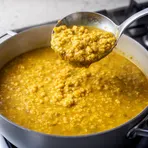
A lumpy, grainy texture like small bits in thick soup

A liquid or soft thing that becomes thick and partly solid as it cools
Antonyms

How Solid
55
4.4

- Specialized
11
6.6
- Specialized
1
4.1
35
2.3
Surface Forms
Morphology
coagulate = coagul + ate
Although the form is the same, the adjective use is based on the same Latin combining form plus '-ate'; the root is not a familiar English word and the meaning is specialized, so it is not transparently derivable for average learners.
Etymology
The adjective coagulate comes from the same Latin parts co- and agere, meaning 'together' and 'to drive', and it describes a liquid that has 'come together' into a soft, semisolid or solid mass.