

clindamycin
 2
6.0

- noun
- /ˌklɪn.dəˈmaɪ.sɪn/
- Specialized
- The blood clindamycin concentrations after 3 hours were similar for all application modes.
- clindamycin 150 mg
- intramuscular clindamycin
- intravenous clindamycin
Examples
-
Patient improved clinically and was discharged home on a 3-week course of clindamycin and continued to follow up with his primary care doctor.
Academic text (2007) -
The following antimicrobial drugs were tested: penicillin, cefotaxime, ceftriaxone, chloramphenicol, erythromycin, clindamycin, tetracycline, levofloxacin, and vancomycin.
Academic text (2012) -
Two patients in the clindamycin group required a change of drug.
Academic text (2005) -
For clindamycin, no influence in the measured recovery rate has been reported.
Academic text (2000) -
Disturbance in gastrointestinal function was noted more frequently in the clindamycin arm of the study (Table 7).
Academic text (1995) -
The antibiotic regimen was changed to clindamycin, ciprofloxacin, and penicillin G.
Academic text (2004) -
Ampicillin/sulbactam must be given four times a day when used intramuscularly or intravenously, but intramuscular clindamycin can be administered only twice a day.
Academic text (2005) -
Postoperatively, the patient was administered IV clindamycin at 150 mg every 6 hours and IV cefotaxime at 500 mg every 8 hours.
Academic text (2003) -
Prophylactic antimicrobials—900 mg of clindamycin or 3 g of ampicillin/sulbactam intravenously—are initiated 1 hour before surgery.
Academic text (1999) -
The doctor prescribed clindamycin to treat the bacterial infection effectively.
Synonyms
 5
6.7
A strong medicine that kills bacteria for serious infections when other medicines fail
 2
4.1
A medicine that kills bacteria to treat throat or skin infections
 1
6.0
A medicine that kills bacteria, used for infections caused by staph bacteria
 1
7.0
A medicine that kills bacteria and treats infections in the body
 1
9.2
A medicine that kills bacteria and treats serious infections, often in the lungs


 1
6.8
A medicine that kills bacteria and treats infections, sometimes used to clean intestines before surgery
 1
9.6
A drug that kills bacteria and treats serious infections like typhoid fever
 1
8.8
A medicine that kills bacteria used for serious infections when other medicines do not work
 1
8.3
A medicine that kills bacteria and treats infections when penicillin cannot be used
 1
7.2
A medicine that treats infections by killing bacteria
 1
9.4
A yellow medicine that kills bacteria and treats infections
 1
7.6
A medicine that fights some bacteria to treat infections
 1
8.2
A medicine that kills bacteria and treats infections in the lungs or throat
 1
8.5
An antibiotic used to treat infections caused by staph bacteria when penicillin does not work
 1
9.4
A medicine used to treat tuberculosis when other drugs do not work

A brand name for a medicine that fights bacteria and treats infections

A yellow medicine that kills bacteria and treats infections

A yellow medicine that kills bacteria and treats infections

A medicine that kills bacteria used when penicillin does not work

An antibiotic used to treat gonorrhea and some bacterial infections

An antibiotic often used with other drugs to treat tuberculosis

A medicine you put on the skin or throat to kill certain bacteria
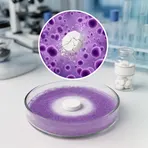
A medicine that kills certain bacteria to treat infections
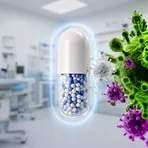
A medicine used to treat infections by stopping certain bacteria from growing

An old antibiotic like cephalosporins that is now rarely used
Surface Forms
Etymology
Clindamycin comes from the older antibiotic lincomycin, with the cl- part showing that chemists added a 'chlorine' atom to make a changed form. That's why clindamycin is the name of a related antibiotic used to treat many bacterial infections.