
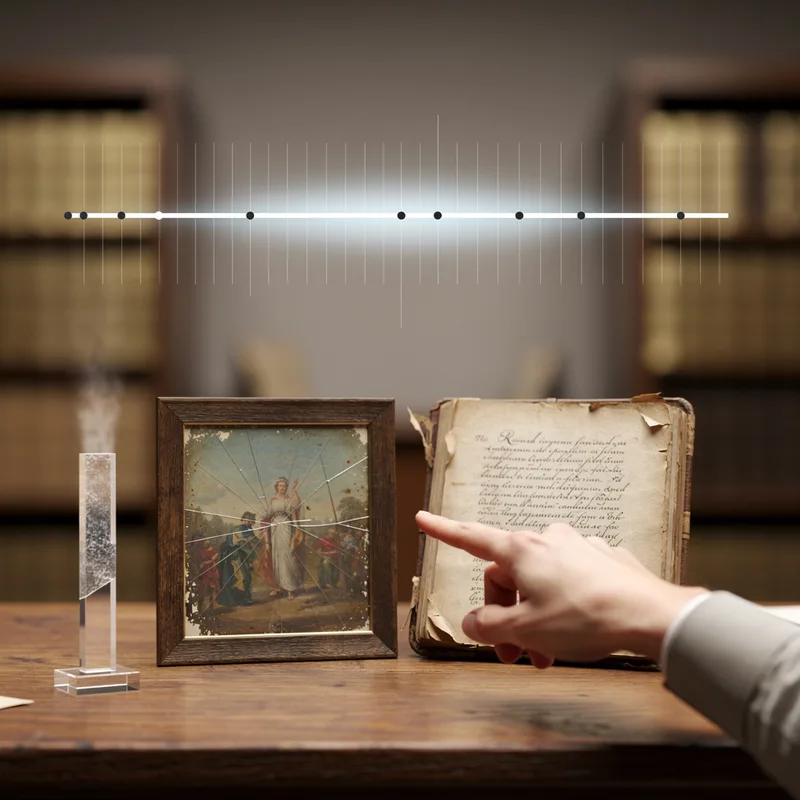
circa
 4
5.3

- adverb
- /ˈsɜrkə/
- The time is circa 3200 B.C., near the beginning of this settlement.
- circa 3200 B.C.
- circa 405 BC
- circa 20,000 years
Examples
-
The painting was created circa 1900, reflecting the styles popular at that time.
-
I think the reason why only circa 10% of programmers can write a functioning binary search routine is that only circa 10% of programmers have brains wired for implementing low-level algorithms.
Blog text (20) -
In the West, we're the Romans, circa 300 AD.
Blog text (9) -
They're a tiny fraction in the US, circa 1% altogether.
Blog text (6) -
That's from circa 5,000 years ago.
Blog text (12) -
If these numbers are to be believed, the total number of inhabitants estimated by Japanese historians, circa 1,000-1,500, seems reductive.
Blog text (9) -
It has generally been supposed that the region remained unoccupied until after the Last Glacial Maximum, circa 20,000 years ago.
Academic text (2002) -
Guangxi Province is said to have the largest planted area of eucalyptus in China (circa 1 million hectares).
Blog text (29) -
Just wanted to add, the original URL shortening services circa the late 90s were meant to help share links without having to remember, type, say, or write out 50-character URLs.
Blog text (19) -
And number two is that the rubber is so old (circa 2002) and stiff that it won't conform to roots, rocks, or stick to pavement very well.
Blog text (11)
Synonyms
 471
3.2
Near the exact number or amount


 1
4.4
People use it before a noun to show a value is not exact
 1
9.0
Appears before a date to show it is about that time
Antonyms


How Approximate

Surface Forms
Etymology
Circa comes from Latin and means 'around' or 'about'. It is the same root as circle, so if we say the number was circa 500,000 we mean it is 'about' that amount, not an exact figure.