

cinematograph


 1
9.9
1
9.9
- noun
- /ˌsɪnɪməˈtɡræf/
- Archaic
- Audiences were thrilled as the cinematograph brought animated stories to life on the big screen.
Examples
-
In the early 1900s, the cinematograph was revolutionary, allowing people to experience motion pictures for the first time.
-
The Modern Bioscope Operator of 1913 reminds its readers that "the cinematograph projector is an embodiment of the principles of the lantern slide projector" and that "it is essential that these pictures be shown as stationary."
Academic text (2017) -
The cinematograph displayed the latest silent films, captivating audiences with its moving images.
Synonyms
 2
2.7
2
2.7
A machine that shows films on a screen for groups of people
 1
3.4
1
3.4
A machine that shows moving pictures from a roll of film on a screen
 1
9.9
1
9.9
An early machine that shows moving pictures to people
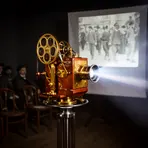
An early machine that shows moving pictures on a screen

An early projector that shows moving pictures
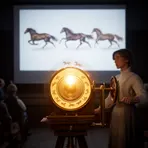
An early machine that projects pictures to show movement

A machine that shows moving pictures from film on a screen
How Advanced
1
3.4

- Archaic
1
9.9
- Archaic
3
3.2
- Archaic
1
4.2
Surface Forms
Morphology
cinematograph = cinemato + graph
The classical elements suggest a motion-picture recording device, but the term is specialized and not fully obvious to an average learner.
Etymology
Cinematograph comes from parts that mean 'movement' and 'writing' — cinema ('to move') and graph ('to write' or 'record'), like the graph in photograph. So a cinematograph was a machine that recorded or showed 'moving pictures', which is why it is used for an early film projector.