to casket

to casket

1 8.6
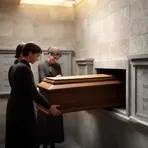
To put a dead body into a coffin for burial or cremation
  • verb
  • /ˈkæskɪt/
  • US
translation icon : poner en un ataúd
  • After the service, they casketed their beloved grandmother for her final resting place.

Examples

  • He's now been cosmetized, he's ready to be dressed, and casketed.

  • He's got to be flushed, prepped and casketed by 4:00.

  • In the funeral home, the staff carefully casketed the deceased with dignity and respect.

  • The family decided to casket their father's remains in a beautiful wooden box to honor his memory.

Synonyms
to lay to rest
vsto casket
21 4.0

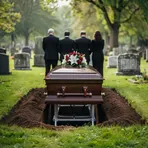
To bury someone after a funeral

refers to enclosing in a named container, not only performing a ceremony
to entomb
vsto casket
11 8.1

To put a dead body in a tomb or enclose something as if buried

is used for enclosing inside a portable named container rather than in a fixed chamber
to inter
vsto casket
  • Formal
4 8.7

To put a dead body in a grave

focuses on placing into a named container rather than directly in ground
to coffin
vsto casket
1 6.5

To put a dead body into a wooden box for burial or cremation
encloses the body in a differently named burial container
to crypt
vsto casket
  • Archaic
1 9.9

To put a dead body in an underground stone room
is about enclosing in a portable named container not a stone chamber
to tomb
vsto casket
  • Archaic
9.3

To put a dead person into a grave

focuses on enclosing in a labelled burial container rather than a site
to sepulcher
vsto casket
  • Literature
9.9

To put a dead body in a tomb during a ceremony

is the practical act of enclosing in a named container, not a site
to inhume
vsto casket
  • Specialized
9.9

To put a dead body in a grave or tomb

means enclosing in a named container rather than directly in earth

Antonyms

18 4.2

To dig up something buried in the ground

Compounds

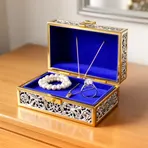
A small decorative box that holds valuable things like rings or necklaces

Surface Forms

casket infinitive
casketed past
casketed past participle
casketing present participle
caskets third person singular

Etymology

Casket as a verb comes from the noun casket, which goes back to Latin capsa meaning 'box', so to casket someone or something simply means to put them into a box or coffin.