
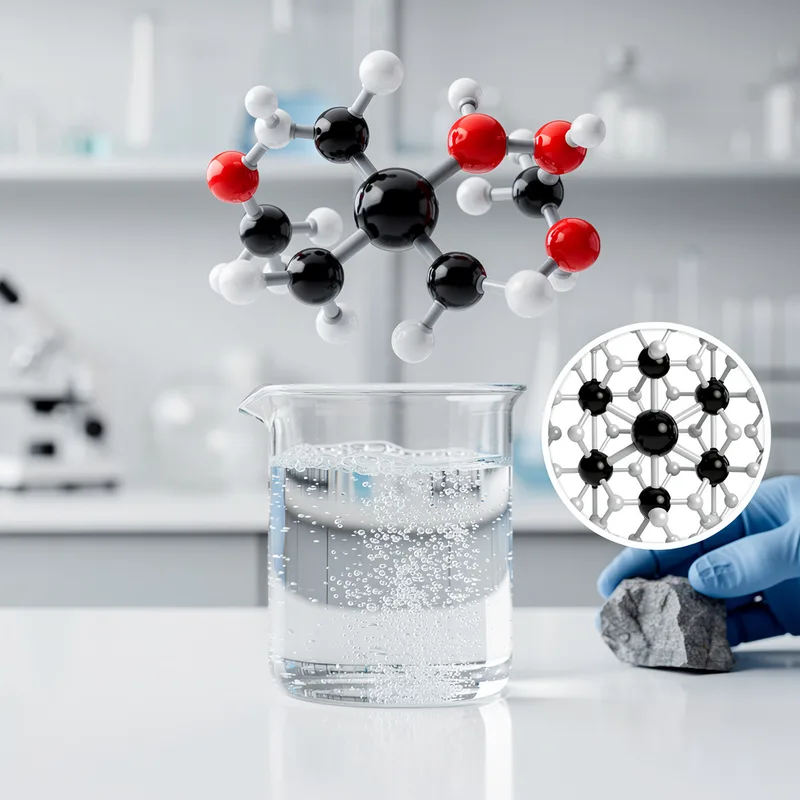
carbonic
 2
7.4
2
7.4

- adjective
- /kɑːrˈbɒnɪk/
- Specialized
- Sooner or later, much of that carbon dioxide ends up in the oceans, where it forms carbonic acid.
- carbonic acid
- carbonic anhydrase
Examples
-
In chemistry, carbonic compounds play a crucial role in various reactions, especially in acid-base balance.
-
Carbonic acid forms when carbonic dioxide is dissolved in water, affecting aquatic ecosystems.
-
What's happening here now is you have airborne carbonic compounds.
-
Water normally combines with carbon dioxide from the air to form a weak carbonic acid solution.
Blog text (33) -
When mixed with water, it produces carbonic acid, which can cause mild burns on some people's skin.
Blog text (18) -
The major thrust and counter-thrust, as far as I am aware, is that increased carbonic acid may interfere with the calcification of shells on various sea creatures.
Blog text (33) -
The corrosion inhibiting action of CHA takes place primarily in the lower temperature return lines where it neutralizes carbonic acid arising from CO2 mixing with water.
Academic text (1993) -
COSUB 2 in the air dissolves in water droplets and forms weak carbonic acid, which reacts with calcium silicate in rocks to form carbon-containing sediments.
Academic text (1991) -
Many carbonated drinks contain carbonic acid, which gives them their fizz and slightly sour taste.
Synonyms
 2
9.1
2
9.1
Made mostly from carbon, like coal or some meteorites
Containing carbon in a simple chemical form with little oxygen
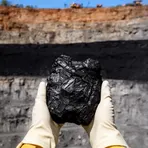
Containing carbon or able to form coal
Compounds

- Specialized
1
4.4
A weak acid that forms when carbon dioxide dissolves in water and makes the water slightly acidic

- Archaic
A colorless, odorless gas called carbon dioxide that plants use to make food
How Carbonaceous
- Specialized

- Specialized
2
9.1
- Specialized
2
7.4
- Specialized
13
4.7
Surface Forms
Morphology
Etymology
Carbonic comes from carbon, which comes from the old Latin carbo meaning 'coal' or 'charcoal'. So carbonic means 'relating to carbon' or containing carbon, as in carbonic acid found in carbonated drinks.