

carabid


 1
9.6
1
9.6
- noun
- /ˈkɛrəˌbɪd/
- Specialized
- During our nocturnal prowls, we noticed hundreds of carabid beetles, which are known for their predatory habits.
- carabid beetle
Examples
-
The carabid crawled across the forest floor.
-
Farmers appreciate the presence of carabids because they help control pest insects.
-
The scientist collected several carabids from the leaf litter for her research.
-
A shiny black carabid darted under a rock as we approached.
-
Many carabids are known for their predatory behavior.
-
The carabid beetle is a fierce predator, often seen hunting for soft-bodied insects on the forest floor.
-
Soldier and carabid beetles emerge after dark to feast upon the eggs of pests like Colorado potato beetles.
Synonyms
 1
4.5
1
4.5
A shiny black or metallic beetle that lives on the ground and eats harmful insects
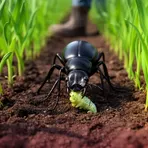
A ground beetle usually black or shiny that eats other insects and helps control pests
Compounds
A ground beetle usually black or shiny that eats other insects and helps control pests
Surface Forms
Morphology
carabid = Carabidae (opaque) = carab + id
Formed from the taxonomic name 'Carabidae' with the taxonomic suffix '-id'; the relation is specialized and not transparently meaningful to learners.
Etymology
A carabid is a ground beetle, and the name comes from the family Carabidae used by scientists, from Greek karabos meaning 'beetle' or 'crab'. So calling an insect a carabid literally names it as a beetle of that family, often one that lives on the soil and hunts other insects.