

to cape
- verb
- /keɪp/
- The taxidermist showed us how to properly cape the animal for display.
Examples
-
After the fishing trip, we caped the trout to prepare it for dinner.
-
Myers said last week he was still looking into the restrictions to find out if he can go to customers' homes to cape out, or skin, the deer.
Blog text (11) -
The horses looked like elfin steeds, decked out in red and mounted by metal-helmed, crimson-caped figures.
Fiction book (1993) -
One of them grabs Della, and capes flying, they all rush out to the poor laggers on the field, and with a burst of drumming become the band again.
Fiction book (1995) -
The hunter skillfully caped the deer to preserve its skin for mounting.
Synonyms

 729
1.0
729
1.0

To cover something by putting material around it
 38
6.0
38
6.0
To cover something completely, often with a cloth
 9
5.8
9
5.8
To hang cloth to cover or hide something
 4
5.0
4
5.0
To dress someone in a long loose garment for a ceremony
 3
5.5
3
5.5
To cover something with cloth or leaves to give shade
 1
6.8
1
6.8
To cover something with a protective layer
 1
6.5
1
6.5
To cover an object with a thin metal sheet to make it shiny

 1
4.7
1
4.7
To wrap a cloth around the neck or shoulders for warmth and style

To cover with clothes, for example a cloak

To cover something with a protective layer, for example metal, leather or plastic

To cover the head with a loose hood

To cover something with an extra layer to protect it or make it look nicer

To put protective outer clothing on someone to keep their clothes clean or safe
Compounds

 5
3.4
5
3.4
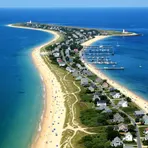
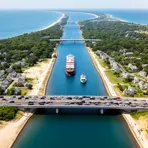
A piece of land in southeastern Massachusetts that reaches into the Atlantic and is popular for vacations

- South African
1
6.8
A large wild animal from Africa with thick curved horns that can be dangerous
 1
4.1
1
4.1
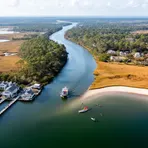
A river in southeast North Carolina that flows into the Atlantic Ocean at Cape Fear
 1
6.8
1
6.8
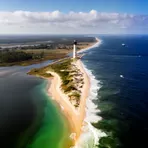
A point of land off North Carolina's Atlantic coast known for dangerous waters and frequent storms


- South African
A South African plant with thick, reddish, prickly leaves and many branches used for medicine


An island in northeastern Nova Scotia, Canada known for scenic landscapes and Celtic culture

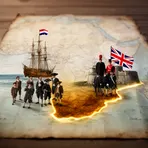
A former province in southern South Africa settled by the Dutch and later ruled by Britain


- South African
A plant from southern Africa with bright blue flowers often grown in gardens

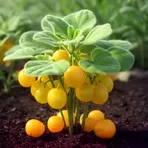
A small South American plant with sweet yellow-orange fruits inside a thin paper husk

A small piece of land by the sea in southwestern Spain where a famous battle took place in 1805

- South African
A South African flowering plant with bright red, cup-shaped flowers and thick leaves

A group of islands in the Atlantic Ocean off the west coast of Africa now called Cabo Verde


- South African
A South African tree with smooth bark and evergreen leaves used for furniture and gardens

A large peninsula in northern Queensland between the Gulf of Carpentaria and the Coral Sea

- South African
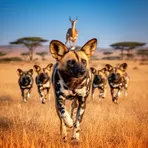
A large wild dog from southern and eastern Africa that hunts in packs

- South African
A small plant with white, bell-shaped flowers that grows in the Cape region of South Africa



- South African
A South African plant with many yellow flowers like a daisy and nice-smelling leaves

- Specialized
A small North American bird with yellow and olive-green feathers and black streaks

A former province in southern South Africa that split in 1994 into Western, Eastern, and Northern Cape

A former province in western South Africa now part of several modern provinces
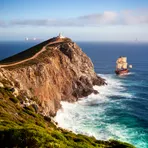


A former area in southern South Africa that was divided into smaller regions in 1994

An island at the southern tip of Nova Scotia, Canada, known for many seabirds and its sea history


- Formal
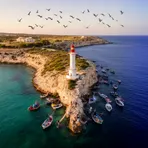
A country of ten volcanic islands in the Atlantic Ocean off West Africa
How Protective

Surface Forms
Etymology
Cape (to cover with a cape) comes from the noun cape (the garment), so to cape something is to put a cape or similar cover over it.