
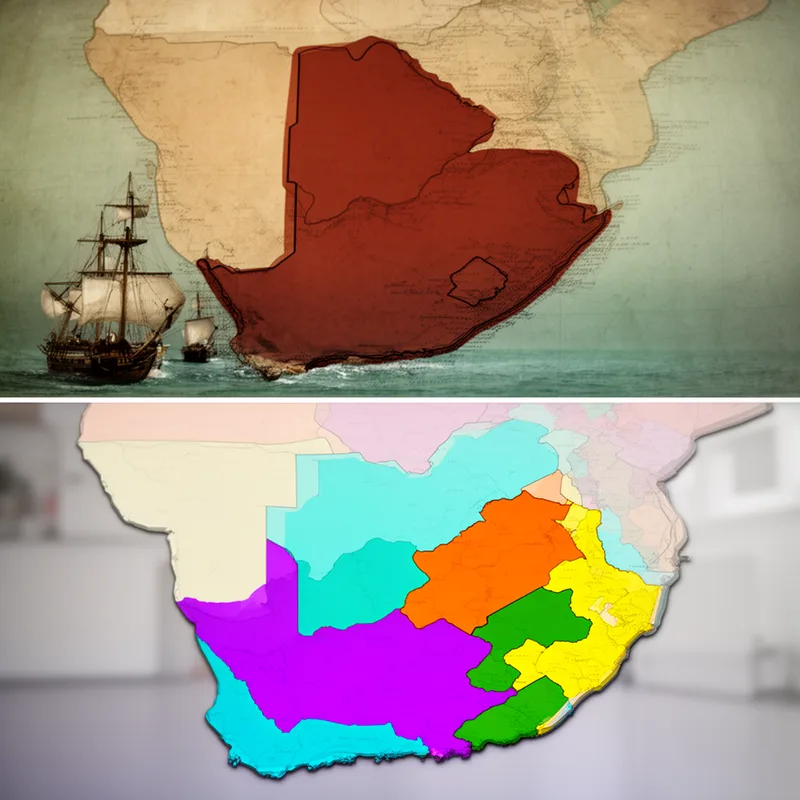
Cape of Good Hope
- proper noun
- All of this effort was coordinated with observations made by the French Abbe N. de LaCaille, who was sent to the Cape of Good Hope.
- reached the Cape of Good Hope
Examples
-
That is to say, we have in all the churches and chapels of the Anglican Communion from New Zealand to the Himalayas, from Alaska to the Cape of Good Hope, the two greatest books of the English language in common daily use.
Academic text (2006) -
However, due to delays caused by the ongoing Seven Years War, they only reached the Cape of Good Hope by April.
Academic text (2006) -
1488, Bartholomeu Dias reaches the Cape of Good Hope in Africa.
Academic text (1992) -
When the Dutch refreshment station at the Cape of Good Hope grew into a formidable plantation, a constant demand for manpower emerged.
Academic text (2005) -
1498, Vasco da Gama rounds the Cape of Good Hope and reaches India, establishing Portuguese hegemony over the international spice trade.
Academic text (1992) -
The Cape of Good Hope is a popular tourist destination known for its stunning scenery.
-
Birdwatchers flock to the Cape of Good Hope to see a variety of unique bird species.
-
From the Cape of Good Hope, you can enjoy breathtaking views of the ocean and cliffs.
Synonyms

A former province in southern South Africa that split in 1994 into Western, Eastern, and Northern Cape

A former area in southern South Africa that was divided into smaller regions in 1994
A former province in southern South Africa settled by the Dutch and later ruled by Britain
Surface Forms
Morphology
cape + of + Good + Hope
The core meaning — a promontory called 'Good Hope' — is directly derivable from 'cape' (a headland) combined with the name phrase 'of Good Hope'; a B1 learner who knows those words will understand it refers to a specific headland. While the precise geographic or historical details are not inferable, the basic referential meaning follows a common, compositional place-name pattern present across languages.
Etymology
Cape of Good Hope (the old 'province') was named after the nearby cape that sailors called 'Good Hope' because it showed a sea route to Asia. That's why the region used the cape's famous name on maps and in history.

