

calculus


 1
8.8
1
8.8
- noun
- /ˈkæl.kjʊ.ləs/
- Specialized
- Regular brushing helps prevent calculus from forming on your teeth.
- dental calculus
Examples
-
The dentist removed the calculus from the patient's teeth during the cleaning appointment.
-
Because of where they are, they can accumulate plaque and calculus, also called tartar, very quickly. Left for long periods of time, this can cause the tissues to recede and expose the roots.
Blog text (18) -
Dental calculus was considered to be present if it was detected in at least one site examined.
Academic text (2011) -
These participants were most likely to have had preventive dental care, had the most sound teeth, and were least likely to smoke and to have teeth with calculus.
Academic text (2011) -
After examining the x-rays, the hygienist noted significant calculus buildup along the gums.
Synonyms
 4
5.7
4
5.7
A hard yellow layer on teeth and gums that can cause gum disease
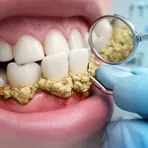
A hard layer that forms on teeth and gums from old plaque
Compounds

- Specialized
1
8.0
The part of mathematics that studies how things change and how fast, like speed or temperature change

- Specialized
1
8.4
A part of mathematics that finds areas, volumes, and solves some equations by adding many small parts

- Specialized
The part of math that finds how to change a function to make a quantity largest or smallest

- Specialized
A logic system that uses symbols to show how statements relate, for example using words like 'all' or 'some'

- Specialized
The part of math that studies how numbers or quantities change using limits, derivatives, and integrals

- Specialized
A part of logic that studies simple statements and how they link using and or not

- Specialized
A method that turns differential equations into algebra equations to make them easier to solve

- Specialized
A system of logic that studies statements about things and words like 'all' and 'some'

- Specialized
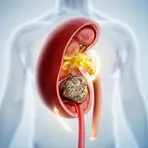
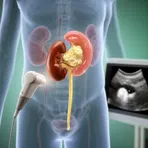
A small hard lump that forms inside the parts of the mouth that make saliva
How Extensive
- Specialized
1
8.8

- Specialized
33
7.4
Surface Forms
Etymology
Calculus for the hard build-up on teeth comes from the Latin calculus meaning 'small stone', because the yellow or white deposit is hard and stone-like, which is why dentists call it 'dental calculus'.