
bye-bye
 279
1.1
279
1.1

- noun
- /ˈbaɪˌbaɪ/
- Informal
- After the meeting, everyone said their cheerful "bye-bye" and left the room.
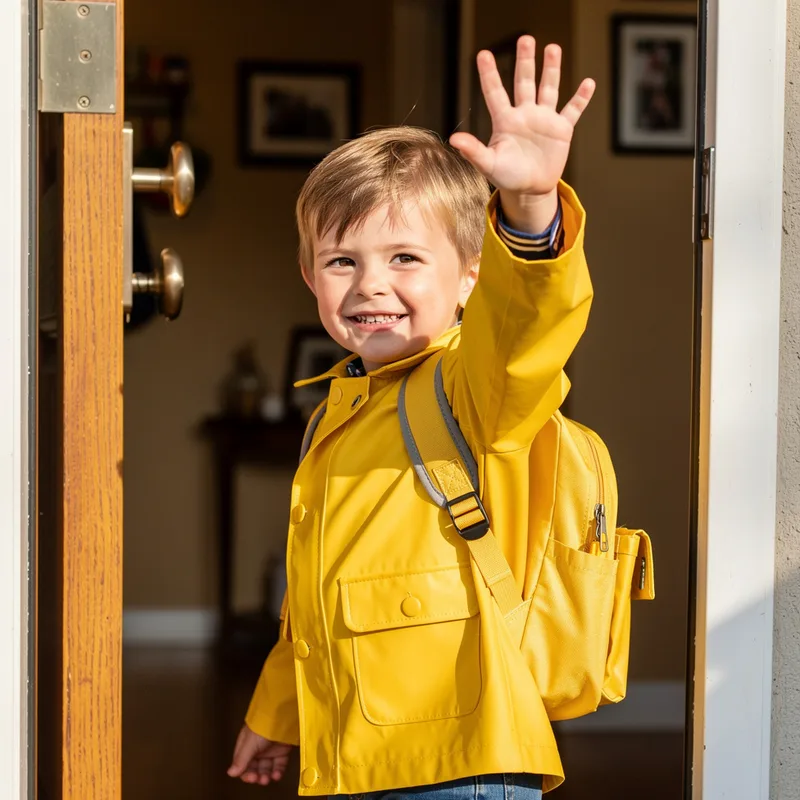
- wave bye-bye
Loading YouTube…
Watch on YouTubeSo and then you can say bye bye to problem sets.
- So and then you can say bye bye to problem sets.
- She's saying bye bye after this, this steam matte powder.
- One person wrote to me, one good thing from Trump, it's bye bye DEI.
Examples
-
You stood up in your crib, started imitating, and waved bye-bye at eight months.
Academic text (2012) -
She looked at me, said bye bye and then ran away.
-
I can't wait to see you on the next one and until then, bye bye, I love you.
-
I would walk down the front steps of the house while Michael and J waved bye-bye from the door.
Fiction book (2001) -
Say bye-bye, Billy, everybody, as Uncle Ed drives the white Ford truck down the long driveway.
Fiction book (1996) -
Bye-bye, I'm really leaving.
-
I was tempted to wipe my cheek, where she kissed me bye-bye.
Fiction book (1996) -
Bye-bye, you country bumpkins.
-
The Oregonian's banner headline the following day read "Bye-bye Trojan: Tower is blasted into history."
Academic text (2007) -
As I waved bye-bye, I cheerfully said, "Bye-bye!" to my friends.
Synonyms
 ∞
8.4
∞
8.4
A friendly way to say goodbye when you expect to meet again
 ∞
1.0
∞
1.0
Words people say when they leave each other
 306
1.0
306
1.0
A short word or action people use when they leave each other
 199
1.9
199
1.9
A speech or action that says goodbye and wishes someone well
 131
1.0
131
1.0
A polite or formal way to say goodbye when parting
 95
1.0
95
1.0
A casual goodbye said when leaving someone and expecting to meet again
 77
6.3
77
6.3
A casual word for goodbye used when leaving someone
 59
1.0
59
1.0
Words or actions people use when they leave
 50
4.4
50
4.4
Words or actions people use when they leave each other
 47
8.5
47
8.5
A casual way to say hello or goodbye in Italy
 34
7.2
34
7.2
A word people use to say goodbye
 31
8.6
31
8.6
A goodbye used when someone leaves for a long time
 24
9.3
24
9.3
A final goodbye you say when leaving for a long time
 17
8.9
17
8.9
A friendly way to say goodbye
 11
9.8
11
9.8
A friendly way to say goodbye
 4
8.0
4
8.0
A polite goodbye said when you do not expect to see someone again
 1
9.9
1
9.9
A playful word people use to say goodbye


 1
9.9
1
9.9
A casual way to say goodbye, often with a peace sign
 1
4.6
1
4.6
A short spoken or written message saying goodbye and good wishes
 1
3.0
1
3.0
A short phrase people say when they leave each other

A casual way to say goodbye to someone

A cheerful informal way to say goodbye

A friendly informal word used to thank someone, say goodbye, and to make a toast before drinking

To say goodbye in a playful, joking way

To say goodbye in a warm, loving way when you must leave

A friendly informal way to say goodbye when you will see or speak to someone soon

A friendly old-fashioned British way to say goodbye

A funny way to say goodbye when leaving a group

A German phrase people use to say goodbye

A casual way to say goodbye to someone
Antonyms

How Formal

Surface Forms
Etymology
The word bye-bye comes from the short word bye, a friendly form of 'goodbye', and is made by repeating the word like simple child talk such as mama, so it sounds gentle and easy to say. So, bye-bye is used when leaving someone, often to comfort children or to make a parting feel friendly.