
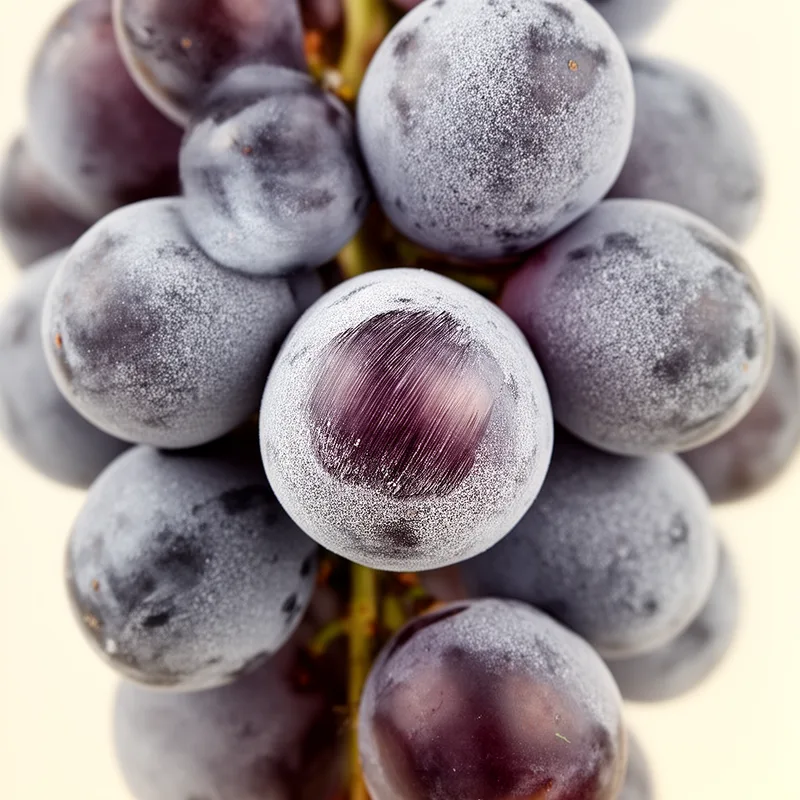
bloom
 7
6.9
7
6.9

- noun
- /bluːm/
- Specialized
- Exposure to toxins produced by harmful algal blooms can include gastrointestinal, neurological, cardiovascular, and hepatic (liver) symptoms.
Loading YouTube…
Watch on YouTubeI've heard people use watercolor pencil because there's less of a chance of wax bloom.
- I've heard people use watercolor pencil because there's less of a chance of wax bloom.
Examples
-
More than 50 participants discussed new ways of monitoring and detecting harmful algal blooms with novel biosensors.
Academic text (2003) -
The problem here is mainly phosphorus, which stimulates algal blooms that interfere with the chlorination process.
Academic text (2005) -
That being said, the amount of bloom is very low.
-
Touch it, and the bloom is gone.
-
There were reports of red discoloration of waters, indicating a plankton bloom, which can produce skin, eye, and respiratory irritation.
Academic text (1994) -
The Bible's pages contain what may be the earliest explanation for blooms of harmful algae.
Academic text (2003) -
Soulseat Loch, local farmers maintain, has a history of annual blooms of blue-green algae.
Academic text (2003) -
For example, satellite-based detection of K. brevis blooms off western Florida is now possible, using a species-specific algorithm.
Academic text (2003) -
The artist noticed a white bloom on the surface of the varnish after it dried.
-
After cleaning the glass, I could see a thin bloom left behind by the cleaning solution.
Synonyms

A white powder of salts that forms on bricks and concrete after water dries
Antonyms


Idioms


Compounds


- Specialized
A reddish mineral people use to make blue glass that is found in mine veins

How Noticeable

Surface Forms
Etymology
Bloom first meant 'flower' (old English blōm), and people later used the word for any light, soft covering; so the thin, powdery layer on fruit or chocolate is also called a 'bloom'.