
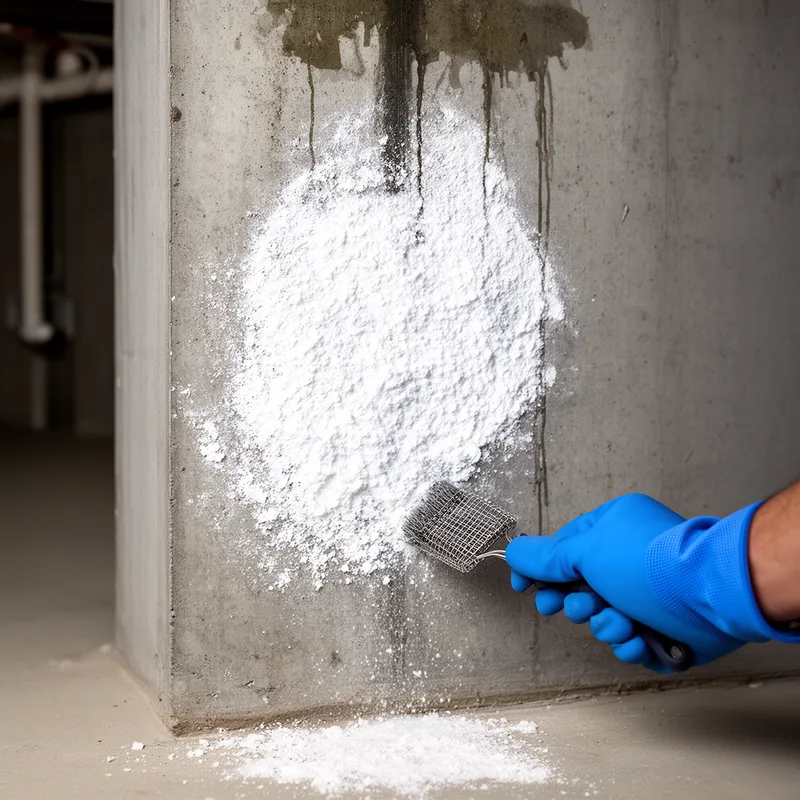
efflorescence
- noun
- /ˌɛf.ləˈrɛs.əns/
- Specialized
- The builders had to deal with efflorescence on the plaster, which was caused by excess moisture in the walls.
Examples
-
The efflorescence often appears as a white, powdery deposit on old bricks after rainwater evaporates.
-
In places, particularly near the coast, the water table is now within 60 centimeters of the ground surface (Figure 3), and in large areas of north Jeddah, damp, salty efflorescences are readily visible.
Academic text (2003) -
You can notice efflorescence on the concrete walls of the basement; it looks like white salt stains.
Synonyms
 7
6.9
7
6.9

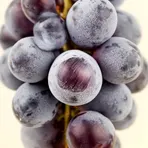
A thin, powdery layer that forms on fruit or chocolate
How Extensive

Surface Forms
Morphology
efflorescence = effloresce (semi-transparent) = ef + floresc + ence
The technical meaning 'powdery salt deposit' is historically a metaphor from 'blooming', but this specialised sense is not obvious to most learners from the parts alone.
Etymology
Efflorescence comes from Latin parts ex- 'out' and florere 'to flower', and a helpful image is salts 'flowering out' on a wall as a white dust. That's why builders call the white, powdery deposit on brick or concrete efflorescence.