
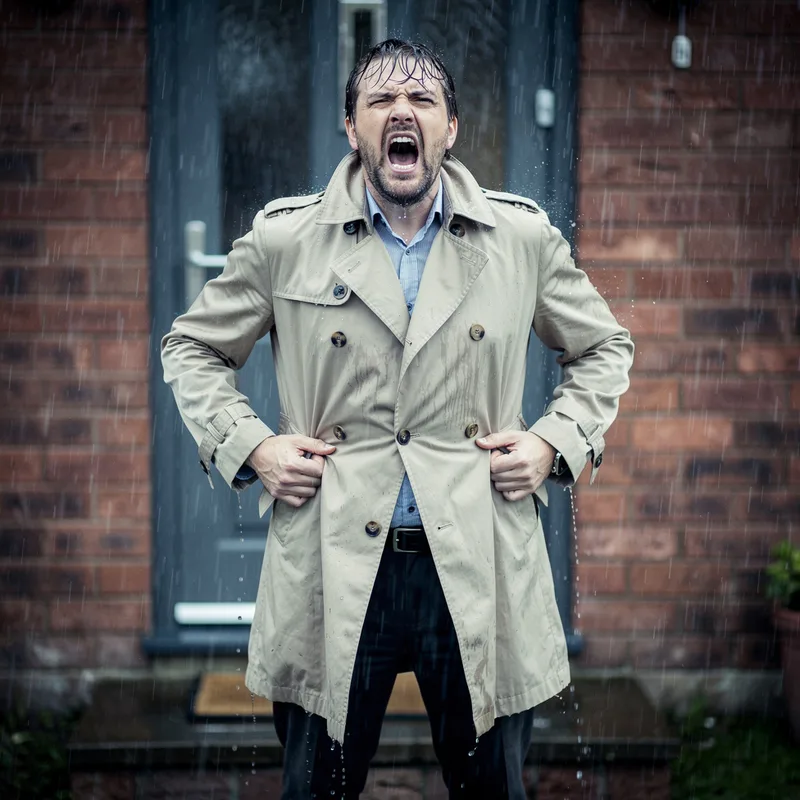
bloody
 638
7.5
638
7.5

- adjective
- /ˈblʌdi/
- Offensive
- What the bloody hell are you doing?
Loading YouTube…
Watch on YouTubeYou're like a bloody unstoppable force these days.
- You're like a bloody unstoppable force these days.
- And he said, look, it's too bloody late to regress back.
- No, no, I hate him because I think he's bloody awful as a mayor.
- Does it tell you that it's bloody dirty money?
- And it bloody well, and it bloody well made me grumpy.
- And he's got that bloody article upstairs in the attic.
- So why would they send us back the same bloody thing that wasn't working?
- I've spent so much bloody time on the computer.
- He's acting like a bloody gala Yank.
- Let's pop a bit on all these bloody buggery misery areas.
Examples
-
So this is our baby, which is just bloody wild to say.
-
Talk about a bloody mess.
-
Just just so bloody good, So good.
-
I think it bloody works, but...
-
How's about we go to your favorite place in the whole bloody world, huh?
-
We've got to go through the whole bloody business again tomorrow.
Fiction book (1990) -
A man in the seat behind them said, "Those bloody scientists can't get anything right."
Fiction book (1990) -
You're like a bloody unstoppable force these days.
-
Every bloody time.
-
This is a bloody good meal; I can't believe how delicious it is.
Synonyms
 ∞
7.5
∞
7.5
Shows that something is very strong or important
 ∞
9.9
∞
9.9
A rude strong word people use to show anger or surprise
 6
9.1
6
9.1
To show strong anger, surprise, or emphasis
 2
9.9
2
9.9
Very, put before a describing word to show strong feeling
People say it to show strong anger or annoyance

An informal word people put before a descriptive word to show strong feeling, often anger or surprise

To show strong anger or annoyance before a word

Used before a word to show mild anger or strong feeling

Very bad or annoying

In a very strong way, often in casual talk
Idioms

Compounds

How Strong

Surface Forms
Morphology
Etymology
Bloody used as a strong, often rude intensifier is mainly British and its origin is unclear; one popular story says it comes from the old phrase by Our Lady, while another idea links it to the strong image of blood and violence. A helpful way to remember it is to think of it as a forceful 'very' that shows anger or surprise.