

to blat
- verb
- /blæt/
- UK
- The next time he awoke, it was to a brash bugle call in his head, blatting a musical reveille. Good morning, Triton!
Examples
-
I try to hold her away from my body and run with her, and it makes her start blatting.
Fiction book (1992) -
Reacher sometimes heard it in the early afternoons, rumbling and blatting around the blocks where he was working.
Fiction book (2000) -
The sheep began to blat loudly when the farmer approached with food.
-
As the car drove past, it started blatting its horn to get attention.
-
The calf was blatting for its mother in the warm afternoon sun.
Synonyms

 109
1.0
109
1.0

To make a sharp loud sound like a dog
 98
1.0
98
1.0
To make a loud deep continuous sound like an animal, crowd, or machine
 86
4.0
86
4.0
To make a loud, high, sharp sound that startles people
 72
2.9
72
2.9
To make a loud high sound often because of fear, pain or excitement
 61
3.0
61
3.0
To make a long, high sound like a pig or excited child
 50
3.8
50
3.8
To make a loud harsh sound that hurts your ears, like a siren
 26
3.6
26
3.6
To make a loud clear sound that people can hear far away
 18
2.6
18
2.6
To make a long high, unpleasant sound like a machine
 18
6.0
18
6.0
To make a loud high sound like a hen or laugh in a loud harsh way
 16
4.7
16
4.7
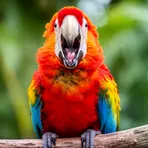
To make a loud, harsh cry like a bird
 7
1.0
7
1.0
To make the loud harsh sound a duck makes
 5
6.0
5
6.0
To make a short, high sound like a sheep or goat
 3
4.8
3
4.8
To make a very high, sharp sound often as a cry
 2
7.2
2
7.2
To make a loud high sound like a baby or bird
 1
2.2
1
2.2
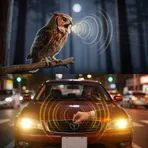
To make a loud, deep sound like an owl or a car horn
 1
4.3
1
4.3
Make a very loud sound to get people's attention

To make the short sound a sheep or lamb makes

Make a loud, rough sound like a shout to show anger or complaint

To make a loud, high, harsh sound like a scream

To make a short, high, harsh sound like an owl or old gate

To make a loud, unpleasant noise that disturbs people

To shout loudly to get someone's attention from far away
How Loud

Surface Forms
Etymology
Blat comes from the sound itself — it copies the loud, rough cry of sheep or calves and is like the common word bleat. So, to blat means 'to make a loud, harsh, or plaintive noise', like an animal calling or a horn sounding.