

to blanket
 28
4.2
28
4.2

- verb
- /ˈblæŋkɪt/
- Both your lawn and your driveway are now blanketed with pine needles and damp sawdust.
- blanket the area
- blanketed by ice
- blanket the island
Loading YouTube…
Watch on YouTubeWe're going to just, you know, blanket cracked window.
- We're going to just, you know, blanket cracked window.
- They'll kind of self seed and multiply and blanket an area.
- You mustn't, you mustn't blanket, blanket punish people of that.
Examples
-
The entire island is to be blanketed, not one square inch missed.
-
Enough steam escapes from the hot springs to perpetually blanket the valley with fog.
Fiction book (1993) -
I will blanket the city in endless winter!
-
I'll blanket her in warmth and security.
-
There are more fresh horses off on one side, blanketed against the cold.
Academic text (1998) -
I even tried Boston and Washington, but it seems this blizzard is blanketing the entire East Coast.
Fiction book (1999) -
Steep cliffs rise up on either side, and fog blankets the mountains for half the year.
Academic text (2010) -
Below her, the street was silent and green-golden, blanketed with the thick autumn air.
Fiction book (1993) -
Winter storms blanketed parts of the Northeast yesterday... resulting in highway closures in several states... along the eastern seaboard.
-
The heavy snow began to blanket the streets, making travel difficult.
Synonyms
 729
1.0
729
1.0
To cover something by putting material around it
 105
2.8
105
2.8
To cover something with a thin layer of a substance
 78
3.4
78
3.4
Cover something by winding a cloth around it
 41
4.5
41
4.5
To surround something completely, like fog or darkness
 38
6.0
38
6.0
To cover something completely, often with a cloth
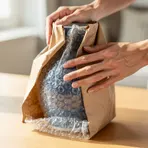 22
3.6
22
3.6
Cover something completely with paper, cloth or another material to protect it
 20
4.2
20
4.2
To cover completely with something so it is hard to see or reach
 9
4.7
9
4.7
To cover a surface with a thick layer like flowers or snow
 9
5.8
9
5.8
To hang cloth to cover or hide something
 6
5.6
6
5.6
To cover something completely, as if by a blanket or mist
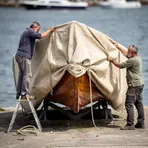 5
6.8
5
6.8
To cover something with strong heavy cloth
 3
5.5
3
5.5
To cover something with cloth or leaves to give shade
 2
7.2
2
7.2
To cover something with a cloth or paper
 1
6.8
1
6.8
To cover something with a protective layer
 1
7.2
1
7.2
To cover something completely, like fog or snow


 1
8.0
1
8.0
To cover something completely, often by surrounding it with cloth or paper
 1
7.4
1
7.4
To cover something completely with cloth or a thin layer like chocolate

To wrap someone or something warmly in a blanket

To cover a person or thing with a large cloth to keep warm

To cover something with an extra layer to protect it or make it look nicer
Antonyms


Phrasal Verbs

- Specialized
To block a wide range of radio frequencies at once so radios in an area cannot work
Compounds




 1
4.2
1
4.2
A thick cloth or pad placed under a saddle to protect a horse's back and soak up sweat


- Specialized
A strong decorative stitch for the edge of thick fabric to stop fraying


A small wildflower from the central United States with yellow petals and a red center


How Completely

Surface Forms
Etymology
Blanket as a verb comes from the noun, which comes from old French blanchet from blanc 'white'; to blanket something is to cover it completely, just like putting a blanket over a bed. So the verb keeps the image of full covering.