
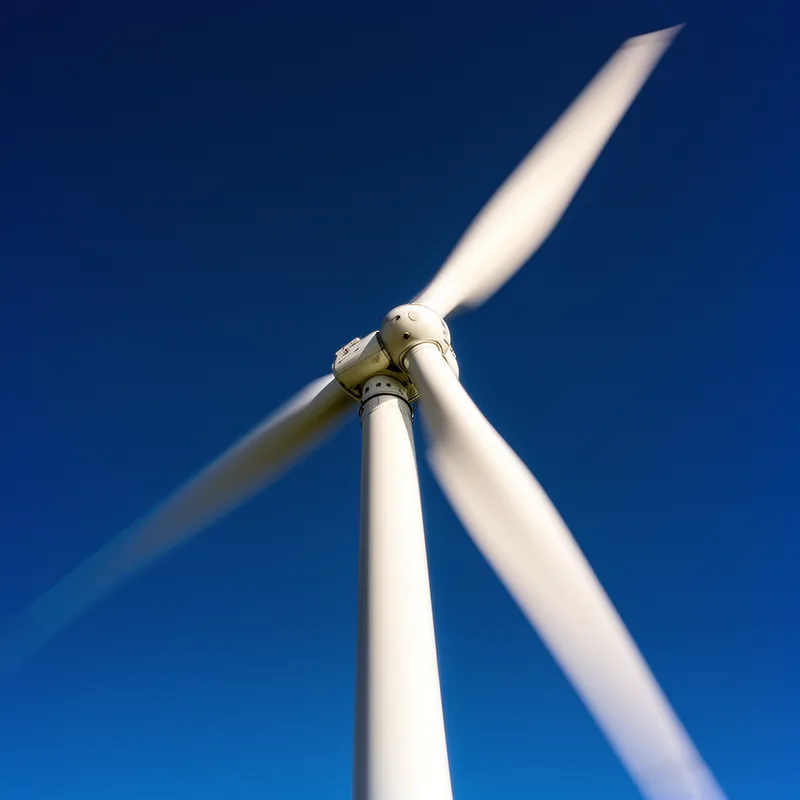
blade
 51
3.1
51
3.1

- noun
- /bleɪd/
- This is the two blade version and then this is the three blade version.
- turbine blade
- wind turbine blade
- rotor blade
Loading YouTube…
Watch on YouTubeIf that, if the blade length is R, then that area is π R-squared.
- If that, if the blade length is R, then that area is π R-squared.
- That's how how much the blade would spin.
- We can attach our blades too and they can slide up and down.
Examples
-
Could large wind farms that whip up the air with massive whirling blades alter local weather conditions?
Academic text (2008) -
You see that blade going, OK, let's go try that out.
-
I think each of those blades is one or two aircraft wings long.
-
So our force will increase with the weight of the blade, the speed of its rotation, and its diameter.
-
And then we've got this fan with also different blade count and design on the back.
-
And so the obvious trick, if you will, is to spin the blades faster.
-
While early designs used flat blades, modern blades are curved like airplane wings.
-
An enormous fan with razor-sharp blades is spinning in a blinding blur.
Fiction book (1992) -
The helicopter's blade spun rapidly, allowing it to lift off the ground smoothly.
-
Engine efficiency improved as the blade design was optimized for better airflow.
Synonyms
 3
4.4
3
4.4
A long blade that turns to lift a helicopter
 1
2.8
1
2.8
A flat narrow piece on a fan that turns to move air

 1
7.0
1
7.0
A flat blade in a fan or turbine that turns to move air and water
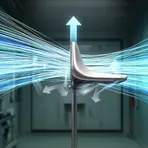
A shaped surface like a wing or blade that makes lift when it moves through air
Idioms

Compounds
- Specialized
14
2.4
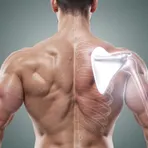
A flat, triangular bone on each side of the upper back that helps hold the arm







- Specialized
A flat vertical part at the back of a boat or plane that moves to steer it
How Forceful

Surface Forms
Etymology
Blade for a propeller or fan comes from the same idea as 'leaf'—a flat piece that moves through air or water, just like a leaf moving in the wind, which is why we call those flat parts 'blades'.