
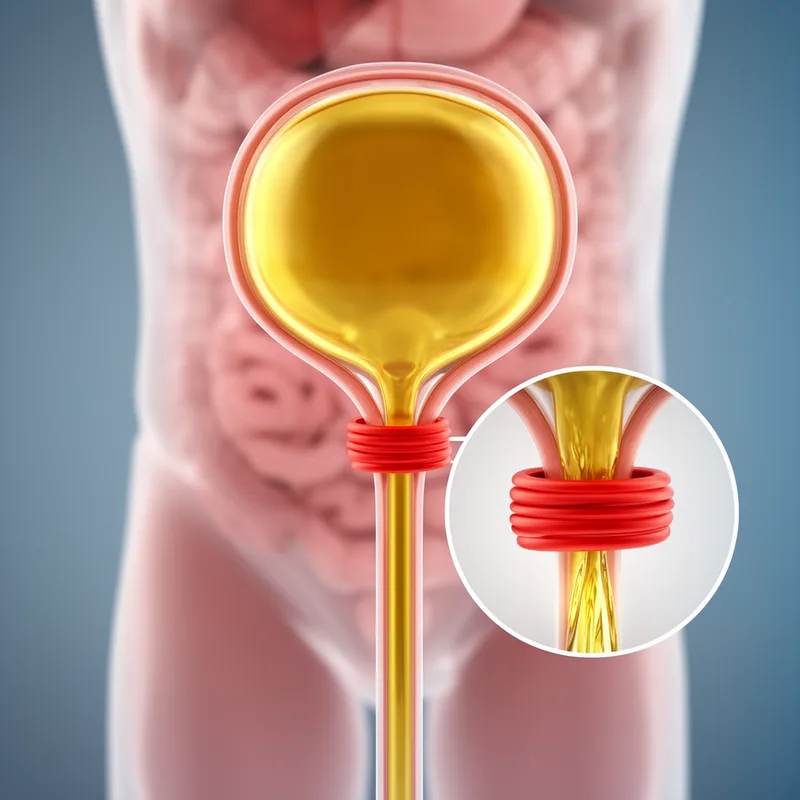
bladder sphincter
- noun
- /ˈblædər ˈsfɪŋktər/
- Specialized
- Proper function of the bladder sphincter is essential for bladder control.
Examples
-
The surgeon repaired the damaged bladder sphincter to restore normal function.
-
A weakened bladder sphincter can lead to urinary incontinence in some individuals.
-
The bladder sphincter helps control urination.
-
Many people experience issues with their bladder sphincter as they age.
-
The bladder sphincter helps control the flow of urine from the bladder into the urethra.
-
When the bladder sphincter is functioning properly, it prevents urine leakage.
-
In patients with bladder disorders, the strength of the bladder sphincter may significantly impact urinary control.
Synonyms

 17
7.5
17
7.5

A ring of muscle that closes an opening in the body


 1
4.2
1
4.2
A ring of muscle that closes an opening in the body

A ring of muscle around the bladder opening that controls urine flow

Muscle around the tube from the bladder that closes to stop urine
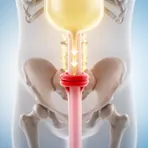
A muscle around the tube that carries urine that you can tighten to hold urine

A ring of muscle that closes or controls an opening in the body
How Strong
- Specialized

- Specialized
Surface Forms
Morphology
The compound is fully compositional: combining 'bladder' (the organ that stores liquid) with 'sphincter' (a muscle that closes openings) yields the sphincter associated with the bladder controlling urine release. This noun+noun anatomical construction is a regular, cross-linguistic pattern and would be predictable to a B1 learner who knows both constituent words.
Etymology
Bladder sphincter combines bladder, the bag that holds urine, and sphincter, an old Greek word that means 'to tighten' or 'to close'. Imagine a tight ring that opens to let urine out and closes to keep it in, so the term means the muscle that controls urine release.