

balefulness
- noun
- /ˈbeɪl.fəl.nəs/
- Formal
- The balefulness of his glare made everyone uncomfortable.
Examples
-
The villain's balefulness was evident in every malicious plot he devised.
-
Stories of ancient curses often speak of a balefulness that haunts the unlucky.
-
She was unnerved by the balefulness of his glare across the room.
-
His balefulness is alarming.
-
The villagers spoke of a balefulness that seemed to linger in the shadowy woods.
-
She could sense the balefulness in his voice as he warned her to leave the area.
-
The balefulness of the storm clouds suggested that danger was approaching.
Synonyms

 20
4.6
20
4.6

A quality of being morally bad or cruel
 16
8.1
16
8.1
Very bad actions that hurt other people
 9
8.9
9
8.9
Great evil that shocks people
 8
8.8
8
8.8
A feeling of wanting to harm other people
 2
8.0
2
8.0
Very bad and morally wrong behavior
 2
7.5
2
7.5
A wish to hurt or make other people suffer
 1
9.7
1
9.7
Bad behavior meant to annoy or hurt people


 1
8.4
1
8.4
Very cruel and evil actions that harm people
 1
9.6
1
9.6
Very evil behaviour that harms other people
 1
6.9
1
6.9
A quality that makes people feel scared

A very harmful and cruel way of being that hurts other people

A harmful effect that slowly damages people or groups
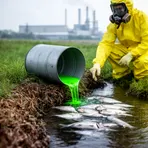
Great harm that can cause death or serious damage

The act of doing harm or evil to others

A feeling of wanting to harm other people

Being very bad and cruel to other people
Antonyms

How Threatening

Surface Forms
Morphology
balefulness = baleful (semi-transparent) = bale + ful + ness
The adjective 'baleful' is historically formed from 'bale' (harm) + '-ful', but the root 'bale' meaning 'harm' is archaic and unfamiliar to most learners.
Etymology
Balefulness comes from an old English word bale meaning 'harm' or 'evil', and the -ful part means 'full of'. So balefulness is simply the quality of being 'full of harm' or feeling threatening and dangerous.