
autochthony
- noun
- /ɔːˈtɒkθəni/
- Formal
- In many regions, the autochthony of indigenous peoples is celebrated through traditional festivals and rituals.
Examples
-
The birth of this chiefdom, based on migration and conquest, needs to be perpetually legitimized, and this is accomplished through a performance that appropriates symbols of autochthony.
Academic text (2006) -
What makes Michel a welcome suitor is his question "Where've you been?" (90) rather than "Where are you from?" when they first meet, challenging notions of migration and autochthony.
Academic text (2014) -
The lanterns of the architecture of Saint Louis embodied the autochthony of their patrons and expressed their political rights in the French Empire.
Academic text (2009) -
What follows is a much abbreviated version of an argument I develop in the first chapter of my book The Spanish American Regional Novel: Modernity and Autochthony.
Academic text (1994) -
"The overrating of blood relations is to the underrating of blood relations as the attempt to escape autochthony is to the impossibility of succeeding in it."
Fiction book (1995) -
This would account for the apparent naivete that always seems to allow for one more formulation of autochthony, since each text must express anew the gesture that underwrites its discursive authority.
Academic text (1994) -
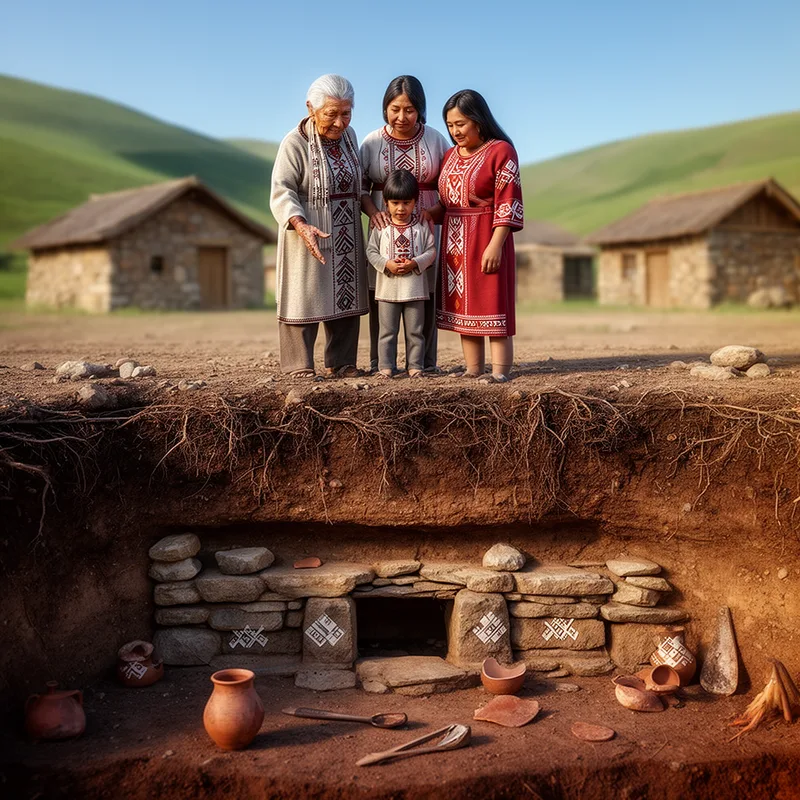
The concept of autochthony emphasizes the importance of being native to a specific land and its cultural heritage.
-
Understanding autochthony is crucial for appreciating the unique contributions of local communities to national identity.
Synonyms



 1
9.9
1
9.9
Native to and found only in one area

The state of being native to a particular place
The quality of being born in a place and belonging to it
How Native
- Formal
 163
2.3
163
2.3
- Formal
19
7.2
- Specialized
Surface Forms
Morphology
autochthony = autochthon (opaque) = auto + chthon + y
The noun is formed from the rare classical base 'autochthon' plus '-y', but the meaning 'state of being native' is not readily recoverable for an average learner from the component parts.
Etymology
Autochthony comes from the Greek parts auto- ('self'), as in automatic, and chthony ('earth'), so it is like 'self of the earth'. So, autochthony means being native to a place or originally from the land.