

autochthonic
- adjective
- /ɔːˈtɒkθənɪk/
- Formal
- Certain minerals are considered autochthonic because they form in place rather than being transported from elsewhere.
Examples
-
The autochthonic flora of the region has adapted to its harsh environment.
-
In Australia, many autochthonic species are at risk due to climate change.
-
Researchers studied the autochthonic traditions of the indigenous tribes.
-
The autochthonic cultures of the region have rich traditions.
-
The autochthonic flora of the region has adapted to its harsh environment.
-
Researchers studied the autochthonic traditions of the indigenous tribes.
-
In Australia, many autochthonic species are at risk due to climate change.
Synonyms

 453
1.5
453
1.5

From a particular place originally, often by birth or long history
 104
5.6
104
5.6
Living or growing naturally in a place and not moved there from somewhere else
 27
7.2
27
7.2
Found regularly in a particular place or group of people

 1
9.9
1
9.9
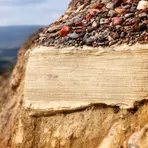
Formed naturally in the place where it is found and not moved from elsewhere
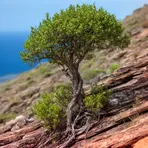
Living naturally in the place where it is found
Antonyms


How Native
- Formal
 453
1.5
453
1.5
- Specialized
- Specialized
1
5.9
481
3.4
Surface Forms
Morphology
autochthonic = autochthon (opaque) = auto + chthon + ic
The word is a learned adjective built from the rare noun 'autochthon' plus -ic, so its meaning is not readily inferable for an average B1 learner.
Etymology
Autochthonic comes from the Greek parts auto- ('self') and chthon ('earth' or 'ground'), and you can remember auto- from words like automatic or autobiography. So, autochthonic describes people, plants, or rocks that come from the very place they are found, meaning they are truly native to that ground.