
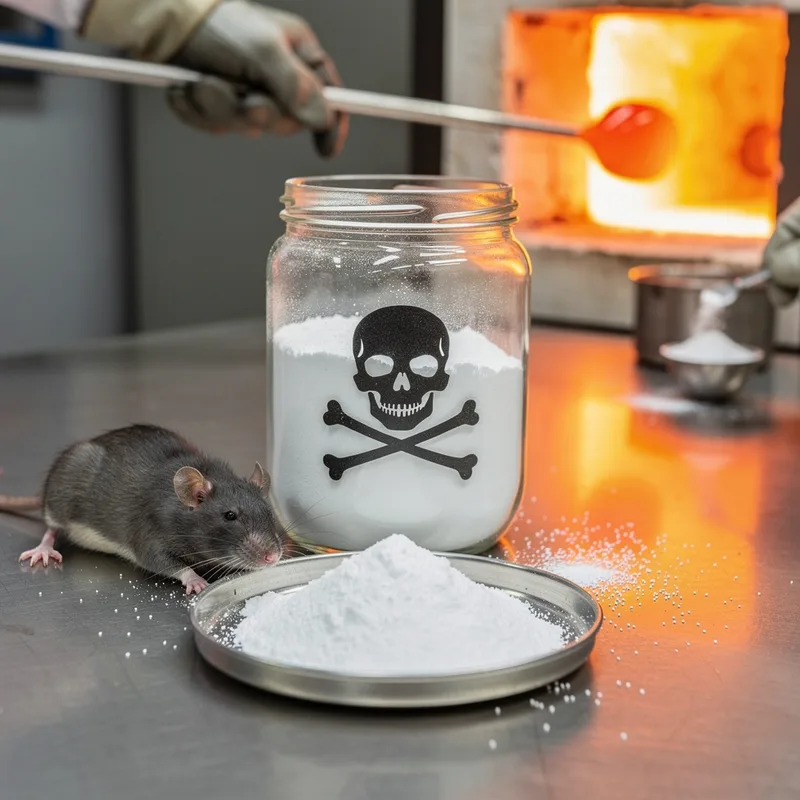
arsenic
 6
6.6
6
6.6

- noun
- /ˈɑːrsənɪk/
- Specialized
- Arsenic (used commercially as a rat poison) and lead are among the toxic chemicals that may be concentrated at these sites.
- arsenic trioxide
- dose of arsenic
- arsenic, a poison
Examples
-
Two years after the death of Jerry Sternadel, a bottle of arsenic was found in a storage locker rented by a woman under an assumed name.
Blog text (31) -
We move down here, and you've found our poison: arsenic.
-
It was found to contain arsenic.
-
The slaves learned to find new poisons in the house: arsenic and lead.
Fiction book (1994) -
No substance has perhaps been as constant an ally to insidious scheming as arsenic, the so-called king of poisons.
-
Vidale says that analysis of the copper ore suggests that the smiths were savvy enough to add a small amount of arsenic in the later stages of the process to strengthen the final product.
Academic text (2011) -
The detective discovered traces of arsenic in the victim's food, indicating foul play.
-
Farmers used arsenic to protect their crops, but they were careful to follow safety guidelines due to its toxicity.
-
Many historical novels depict arsenic as a poison of choice in conspiracies and murders.
Synonyms

 1
9.3
1
9.3
A poisonous white powder used to kill pests and make glass
A white poisonous powder used to make glass and kill pests
A white poisonous powder used in glass making and in products that kill pests
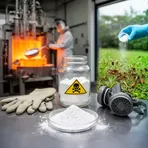
A poisonous white powder that people use to make glass and to kill pests or weeds

A poisonous substance for killing rats, often made from arsenic trioxide
Compounds
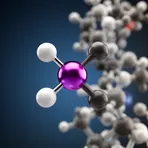
- Specialized
A small part of a molecule with one arsenic atom and two hydrogen atoms attached to other compounds

- Specialized
A medicine doctors give into a vein to treat a serious blood cancer
Surface Forms
Etymology
Arsenic comes from the old Greek word arsenikon, which meant 'powerful' or 'strong'. A helpful way to remember this sense is that the name was used for a deadly white powder because it was seen as a very powerful and dangerous poison.