
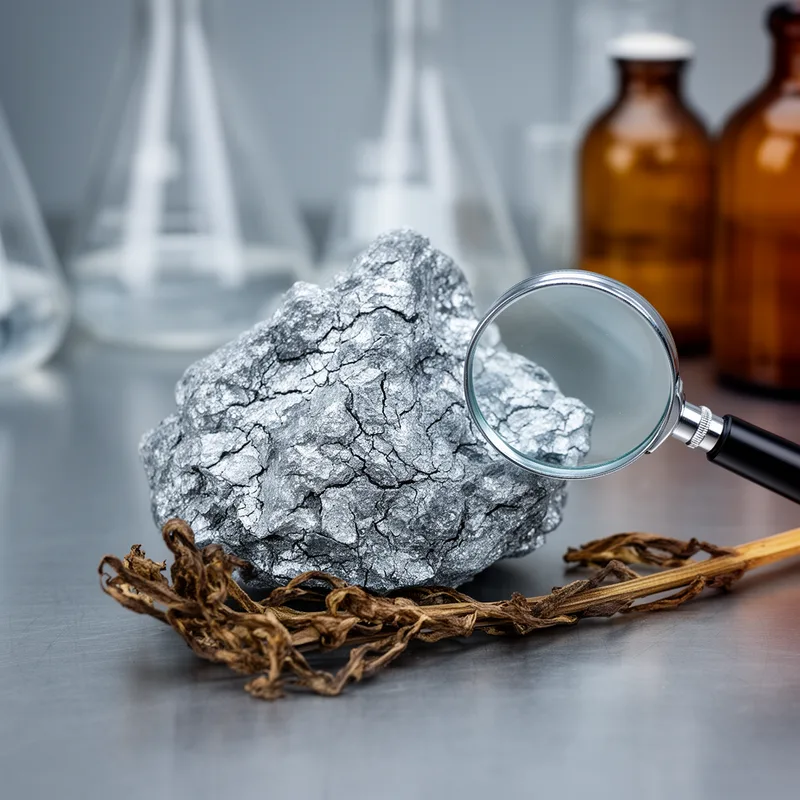
arsenic
 35
6.6
35
6.6

- noun
- /ˈɑːrsənɪk/
- Specialized
- The clinical implications of these findings in arsenic-exposed populations require further investigation.
- arsenic exposure
- arsenic in drinking water
- urinary arsenic
Loading YouTube…
Watch on YouTubeHydrogen, oxygen, carbon, gold, and arsenic are all different elements.
- Hydrogen, oxygen, carbon, gold, and arsenic are all different elements.
- Chlorella in tablets or powder every day to remove mercury, cadmium, lead and arsenic.
- Then I read last week's videos comments and apparently there's a high level of arsenic in the salt of the salt flats bomber.
Examples
-
Epidemiologic studies have mostly evaluated inorganic arsenic, which is more toxic than organic arsenic.
Academic text (2012) -
The goal of reducing arsenic exposures from rice doesn't lend itself to easy solutions.
Academic text (2015) -
Could be as lethal to them as arsenic is to us.
-
Our literature review found no evidence of an association between arsenic exposure and childhood cancer.
Academic text (2008) -
Hydrogen, oxygen, carbon, gold, and arsenic are all different elements.
-
A valid conclusion cannot be proposed unless arsenic intake from all sources is taken into consideration.
Academic text (2008) -
The vast majority of the literature assessing arsenic for carcinogenicity has focused on adults.
Academic text (2008) -
We know little, however, about how arsenic may alter the physiological response to respiratory infections.
Academic text (2013) -
The present study shows that continued exposure to arsenic after birth results in long-term alterations to lung mechanics.
Academic text (2013) -
The use of arsenic in pesticides has raised concerns about its effects on both human health and the environment.
Synonyms
 3
8.8
3
8.8
A chemical symbol for arsenic, a very poisonous metal
Compounds


- Specialized
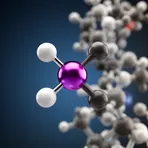
A small part of a molecule with one arsenic atom and two hydrogen atoms attached to other compounds

- Specialized
A medicine doctors give into a vein to treat a serious blood cancer
Surface Forms
Etymology
Arsenic comes from the old Greek word arsenikon, which meant 'powerful' or 'strong'. So the name fits a grey element that is very strong in effect and is known for being poisonous.