

antislavery
 3
3.5
3
3.5

- adjective
- /ˌæntiˈsleɪvəri/
- What do you think will be the most surprising thing readers learn about the antislavery movement?
- antislavery campaign
- antislavery movement
- antislavery writing
Examples
-
His father, a Methodist minister, supported both the temperance and antislavery movements.
Academic text (2002) -
The antislavery pamphlets circulated widely, educating people about the inhumanity of enslaving others.
-
The papers that I gave you have a series of quotes... from some antislavery writers of that time period.
-
It's from an antislavery writer by the name of David Child... written to the Mexican government... warning them about his own United States government.
-
Born a slave, he escaped to freedom and became a champion of the antislavery movement.
-
For one thing, Hunter, despite his embarrassing recruitment record, remained committed to the antislavery cause.
Blog text (14) -
The British antislavery movement, for example, was led by an evangelical, William Wilberforce.
Academic text (2006) -
The origins of antislavery beliefs lie beyond politics: they are moral, religious, intellectual, and imaginative.
Blog text (26) -
The Quakers were active participants in antislavery movements and openly accepted black congregants.
Academic text (2014) -
Who knew that Henry Wadsworth Longfellow or Louisa May Alcott wrote antislavery literature?
Blog text (26)
Synonyms
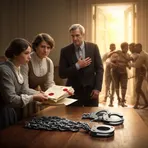
Relating to or supporting the ending of slavery
Antonyms


How Antislavery

Surface Forms
Morphology
Etymology
Antislavery combines the prefix anti- ('against') and slavery ('the system of owning people'), so used as an adjective it describes people or actions that are opposed to slavery.