
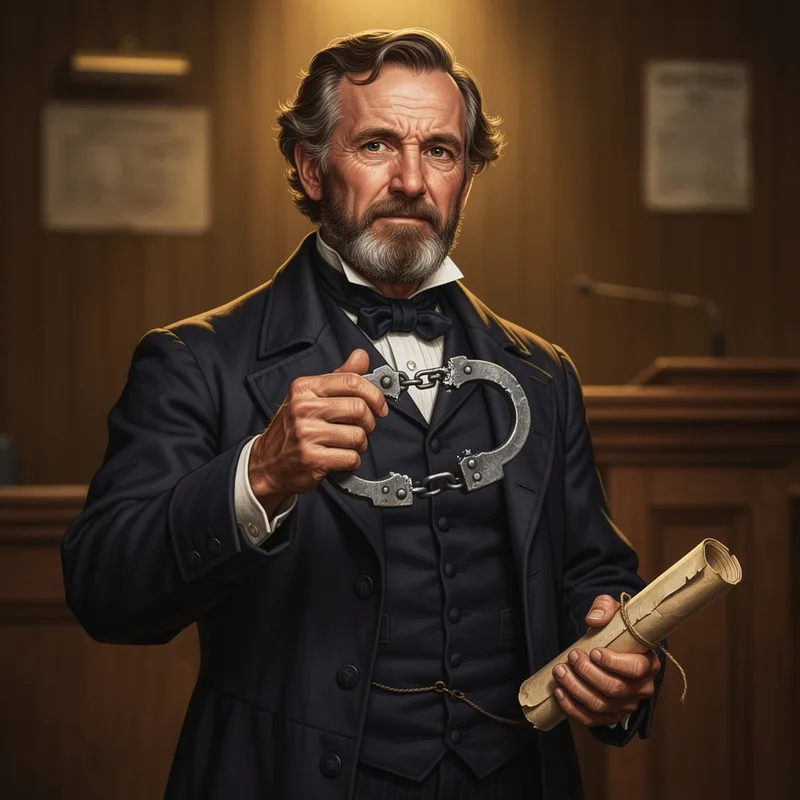
abolitionist
 19
6.5
19
6.5

- noun
- /ˌæbəˈlɪʃənɪst/
- Frederick Douglass was a prominent abolitionist who fought tirelessly for the end of slavery in the United States.
- Garrisonian abolitionists
- Abolitionist movement
- abolitionist and suffragist
Loading YouTube…
Watch on YouTubeAnd as her chapter on slavery brilliantly explains, abolitionists had no monopoly on invoking hell to scare their opponents into repenting.
- And as her chapter on slavery brilliantly explains, abolitionists had no monopoly on invoking hell to scare their opponents into repenting.
- That was people were people grew up and died and then their kids were abolitionists and they grew up and died before slavery was finally abolished.
Examples
-
So here we have Frederick Douglass, the former slave turned internationally known abolitionist, who called Dred Scott monstrous.
-
We're moving back East, to work with the abolitionists.
-
And he was very active in the Abolitionist Movement.
-
A strong abolitionist movement was in place well before the outbreak of the Civil War.
Academic text (2013) -
My grandmother was an abolitionist.
-
But Wendell Phillips, famous abolitionist, he was pretty good at this, too.
-
The author certainly received his share of glowing reviews from the abolitionist press.
Academic text (2017) -
He was very sympathetic to reform groups in Boston, the abolitionist movement being one of them.
-
Back in early nineteenth-century France, however, the abolitionist movement was unfolding very differently from its British counterpart.
Academic text (2017) -
Garfield was a staunch abolitionist prior to the Civil War, and he became a brigadier general at only 31 years old, successfully leading the Union troops against the Confederates in a famous battle at Middle Creek, Kentucky.
Synonyms


 1
9.9
1
9.9
A person who works to end slavery
How Committed

Surface Forms
Morphology
Etymology
Abolitionist comes from the verb abolish, which is from the Latin abolere meaning 'to do away with'. In the 18th and 19th centuries an abolitionist was a person who worked to end slavery, so the word names someone who wants to 'do away with' that practice.