

anorectic
- adjective
- /ˌænəˈrɛktɪk/
- Specialized
- Many anorectic individuals face significant struggles with their self-image and mental health.
Examples
-
Nutritionists often provide special plans for those who are anorectic to help them recover and gain strength.
-
He was glowering at Latham, his brow darkening at being mentioned in the same breath as a pop star and an anorectic actress whose proudest possessions appeared to be her belly button and her butt.
Fiction book (1990) -
The doctor advised that someone who is anorectic should seek immediate treatment to regain a healthy weight.
Synonyms

 21
7.0
21
7.0

Very thin and eating very little because they fear gaining weight
 8
7.8
8
7.8
Extremely thin from illness or lack of food with bones showing
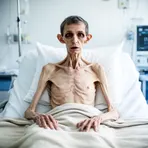
Very thin and weak because of serious illness
Antonyms


How Thin

Surface Forms
Morphology
Etymology
Anorectic comes from Greek parts an- meaning 'not' and orexis meaning 'appetite', so it literally means 'without appetite'. That's why someone described as anorectic has very little desire to eat and can become abnormally thin.