

amyloid
- noun
- /ˈæməˌlɔɪd/
- Specialized
- Beta amyloid, he notes, is actually a snippet of protein cleaved from a much larger protein called amyloid precursor protein (APP), which sticks out from cell membranes.
- amyloid protein
Examples
-
Many researchers view the components of senile plaques, amyloid precursor protein, and beta-amyloid as central to the pathology of Alzheimer's disease.
-
Many researchers view the components of senile plaques, amyloid precursor protein, and beta-amyloid as central to the pathology of Alzheimer's disease.
Academic text (1995) -
In mouse trials, solanezumab bonded with amyloids and moved them out of the brain, rendering them harmless.
Synonyms

 19
2.4
19
2.4

A white plant substance found in potatoes and corn used for food and to make goods

A plant starch found in foods like corn and potatoes
Compounds
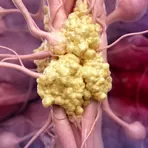
- Specialized
1
6.9
A clump of protein that builds up in the brain and is seen in Alzheimer's disease
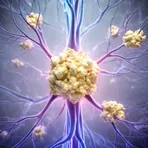
- Specialized
A clump of protein that builds up in the brain, often in Alzheimer's disease
Surface Forms
Morphology
Etymology
Amyloid comes from Greek amylon meaning 'starch' and the ending -oid meaning 'like', as in asteroid or humanoid. So amyloid originally means 'starch-like', which fits a substance that is mainly or resembles starch.