
agrestis
- adjective
- Specialized
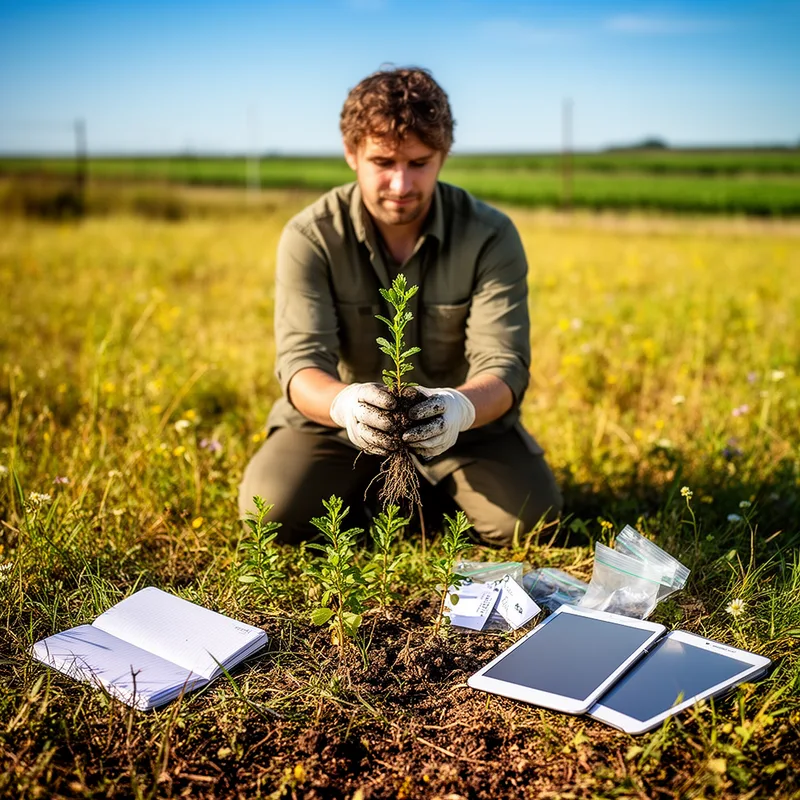
- Scientists identified a new variety called Solanum agrestis growing wild in the countryside.
Examples
-
The term agrestis is often used in Latin names to show a species is not cultivated.
-
In botanical nomenclature, agrestis signifies a wild type.
-
The plant species named with agrestis are typically found in open fields.
-
The plant agrestis thrives in natural, uncultivated environments.
-
The plant species called agrestis typically grows wild in open fields.
-
The biologist discovered a new species of agrestis flourishing in unmanaged areas.
-
In botanical classifications, agrestis indicates that the species grows naturally rather than being cultivated.
Synonyms



 1
5.1
1
5.1
Planted to look wild and grow by itself in a garden or park

Relating to the countryside, like fields and small farms
Antonyms


Compounds
- Specialized
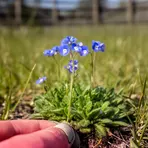
A low European plant with small blue flowers on long stalks now found in North America
Surface Forms
Etymology
Agrestis used in scientific names comes from Latin ager 'field' and tells us the species lives in the fields or grows wild rather than being grown by people. That's why scientists add agrestis to a name to show it is not cultivated.