

Tragopogon
- noun
- /ˌtræɡəˈpoʊɡən/
- Specialized
- Tragopogon is easily recognized by its long, grass-like leaves and striking flower heads.
Examples
-
The purple blooms of Tragopogon add vibrant color to meadows in early summer.
-
The Tragopogon plant is known for its unique flowers.
-
Many species within the Tragopogon genus are cultivated for their edible roots.
-
Many gardeners appreciate Tragopogon for its beauty.
-
The plant Tragopogon produces yellow flowers that bloom in the spring.
-
Farmers often grow Tragopogon for its edible root, which has a flavor similar to oysters.
-
In some regions, Tragopogon is favored for its ability to thrive in poor soil conditions.
Synonyms
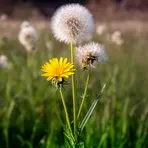
A wild plant with yellow flowers and fluffy seed heads
Compounds

- Specialized
A European plant with hollow stems, long narrow leaves, and single pale yellow flowers

- Specialized
A garden plant with purple flowers grown for its long root you can eat as a vegetable

- Specialized
A common wild plant with yellow daisy-like flowers often found in meadows
Surface Forms
Etymology
Tragopogon comes from the Greek parts tragos 'goat' and pogon 'beard'. The plant's fluffy seed head looks like a goat's beard, so the name helps you remember this group of herbs often called 'goatsbeard'.

