
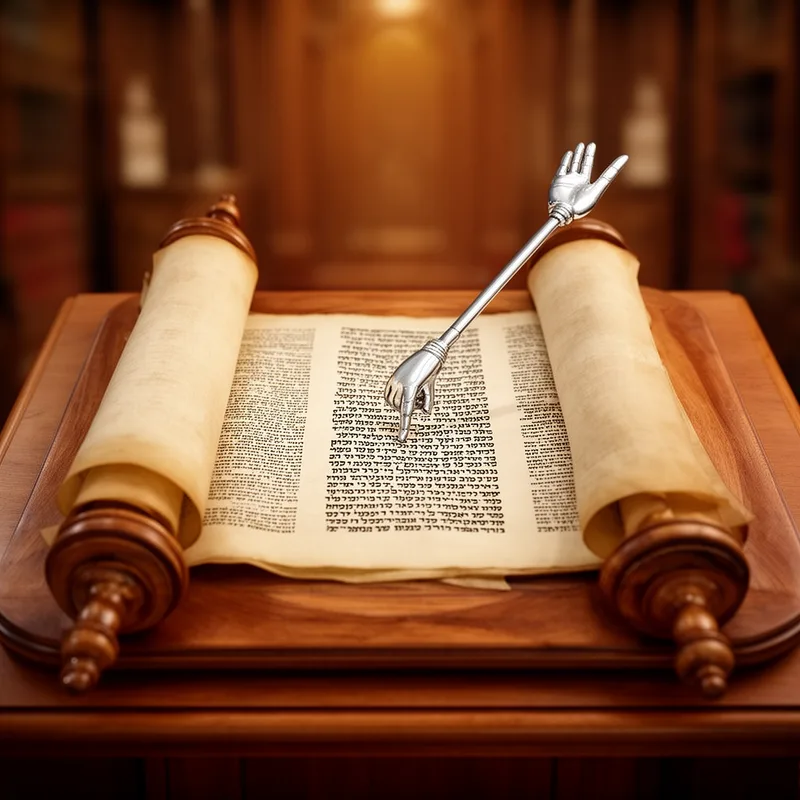
Torah
 20
7.0
20
7.0

- noun
- /ˈtɔrə/
- Well, the Torah is the five books of Moses written in Hebrew.
- reading the Torah
- laws of the Torah
- knowledge of the Torah
Loading YouTube…
Watch on YouTubeThat is the Torah, and everything else is only commentary.
- That is the Torah, and everything else is only commentary.
- Well, the Torah is the five books of Moses written in Hebrew.
- And if you don't follow that law, then you are subjected to the Torah's laws.
- It is a commandment in the Torah.
- The first, the the Old Testament is, is the Torah from the Ethiopian Torah.
- You can find it in the best, you know, teachings in the Torah or, you know, Christian or, or Sufi.
- What I'm saying is once you realize the Bible, the Torah, the whatever, whatever, that is a proxy for the good life.
Examples
-
The oldest accounts of the Exodus were written down in Hebrew, in the first five books of the Bible known as the Torah.
-
Shabbat is the first thing in the Torah given the description of kedusha, of holiness.
-
But the Torah does not teach that!
-
You do it because the Torah tells you to.
Fiction book (2001) -
The boy studies short portions of the Torah each week in Hebrew school.
-
Well, the Torah is the five books of Moses written in Hebrew.
-
The oldest accounts of the Exodus were written down in Hebrew, in the first five books of the Bible known as the Torah.
Synonyms
 1
9.9
1
9.9
The first five books of the Hebrew Bible
Compounds

 1
8.4
1
8.4
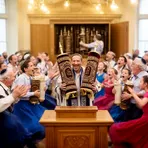
A Jewish festival to celebrate finishing the yearly Torah readings and starting them again with dancing and singing

A Jewish festival when people finish and immediately begin the yearly Torah readings, often with singing and dancing
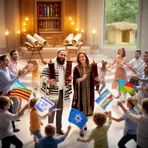
A Jewish holy day at the end of Sukkot when people celebrate finishing the yearly Torah readings

A Jewish holiday at the end of Sukkot when people celebrate finishing the yearly Torah readings

Surface Forms
Etymology
Torah comes from a Hebrew root yarah that means 'to teach' or 'instruction', so the first five books are called the Torah because they give laws and teachings for the community.