
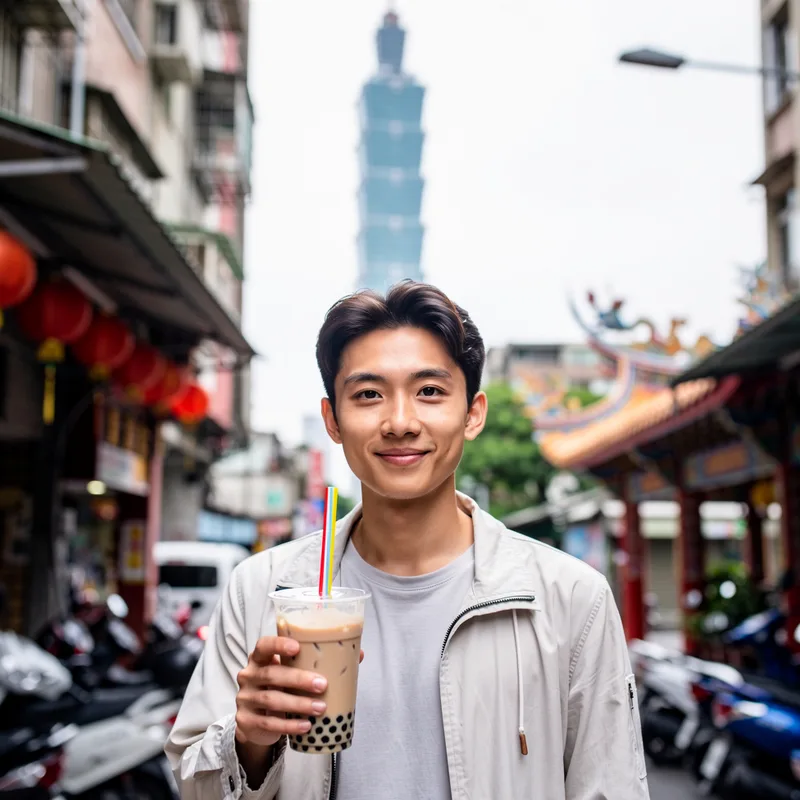
Taiwanese
 4
3.2

- noun
- /taɪwəˈniːz/
- In addition, Chiang recruited or promoted some intellectuals and native Taiwanese to significant positions to enlarge his power base.
- a native Taiwanese
- many Taiwanese
- most Taiwanese
Loading YouTube…
Watch on YouTubeOne group who have no say whatsoever in this are the Taiwanese.
- One group who have no say whatsoever in this are the Taiwanese.
- And he says, I wonder if those Taiwanese would fight like hell the way the Ukrainians have.
- And, and, and at the same time, the Taiwanese still believe Uncle Sugar is going to bail them out.
- That are not that the Taiwanese have bought them.
Examples
-
In Taiwan, land ownership is synonymous with wealth, and practically all landowners are native Taiwanese.
Academic text (1996) -
As a Taiwanese, she takes great pride in her unique cultural heritage.
-
On the one hand, many Taiwanese did not yield to the threat.
Academic text (1997) -
The Korean experience has been different from the Taiwanese in many aspects.
Academic text (1992) -
So no question of Taiwanese people who resisted and who just want their freedom.
-
The end of the civil war on the mainland in 1949 brought more troubles to the Taiwanese.
Academic text (1997) -
Even working-class and rural Taiwanese remember the Japanese as strict but fair.
Academic text (2001) -
Finally, for the Taiwanese doing business with the mainland, lack of official representation enhances risk.
Academic text (1991) -
Many Taiwanese have expressed their desire for greater independence from mainland China.
-
The Taiwanese cuisine is famous for its night markets and diverse street food.
Compounds
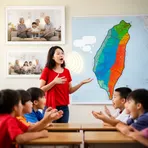
A Chinese language spoken mainly in Taiwan and Fujian, also called Hokkien or Minnan
Surface Forms
Morphology
Etymology
Taiwanese is made from Taiwan plus the ending -ese, the same ending you see in Chinese and Japanese, so it literally means 'a person from Taiwan'.