

Silene
- noun
- /sɪˈliːni/
- Specialized
- Many Silene plants are known as 'catchfly' because of their sticky stems that can trap insects.
Examples
-
Gardeners often cultivate Silene for its vibrant, showy petals.
-
The wildflowers blooming by the roadside included several species of Silene.
-
The garden is filled with beautiful Silene plants.
-
Did you see the Silene blooming in the park?
-
Many Silene plants are known as 'catchfly' because of their sticky stems that can trap insects.
-
The wildflowers blooming by the roadside included several species of Silene.
-
Gardeners often cultivate Silene for its vibrant, showy petals.
Compounds
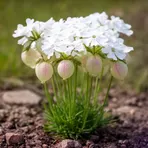
- Specialized
A plant that lives many years with large white flowers and a balloon-shaped cup under each flower

- Specialized
A low plant that grows in dense round cushions with small pink flowers in cold mountains and the Arctic
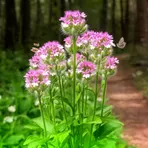
- Specialized
A plant that lives for several years with small pink or white flowers in hairy clusters

- Specialized
A wild plant with red or pink flowers that grows near woods and hedges

- Specialized
A blue-green plant with sticky stems and groups of large white flowers that open in the evening
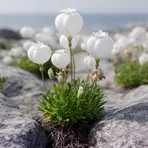
- Specialized
A plant that lives many years and has large white, balloon-like flowers
Surface Forms
Etymology
Silene comes from a name in Greek myth, Silenus, a wild follower of the god of wine. Think of these as bright, 'wild' garden flowers—often with sticky stems that 'catch' small insects—so the old name helps you remember the showy, sometimes sticky plants called Silene.

