

Silene latifolia
- noun
- Specialized
- The fields were dotted with the delicate white blooms of Silene latifolia at dusk.
Examples
-
Gardeners sometimes plant Silene latifolia to attract nocturnal pollinators.
-
Botanists often study Silene latifolia for its unique evening-flowering patterns.
-
Wow! Look at the beautiful Silene latifolia flowers!
-
The garden is full of Silene latifolia blooming in the evening.
-
The fields were dotted with the delicate white blooms of Silene latifolia at dusk.
-
Gardeners sometimes plant Silene latifolia to attract nocturnal pollinators.
-
Botanists often study Silene latifolia for its unique evening-flowering patterns.
Synonyms
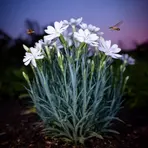
A blue-green plant with sticky stems and white flowers that open in the evening
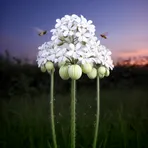
A plant with sticky stems and clusters of white flowers that open in the evening

A plant with sticky stems and groups of white flowers that open in the evening

A garden plant with sticky stems and clusters of large white flowers that open in the evening
Surface Forms
Morphology
Silene + latifolia
This is a scientific binomial: the first element (Silene) names the plant genus (a flowering plant) and the second is a Latin species epithet. The genus+epithet format makes it clear this is the name of a specific plant, but the epithet 'latifolia' is Latin/not a common English word so its descriptive sense ('broad‑leaved') would not be predictable to a B1 learner. Because the compositional naming pattern is recognizable but the semantic content of the second element is not, the item is only partially transparent.
Etymology
Silene latifolia may get its name from a myth and from how the plant looks: Silene may come from Silenus, a Greek figure shown with puffed cheeks because many flowers have a swollen, bladder-like cup, and latifolia means 'broad-leaved', pointing to the plant's wide leaves. So the name links the 'puffed' flower cups and wide leaves to the words and helps you remember the species.

