
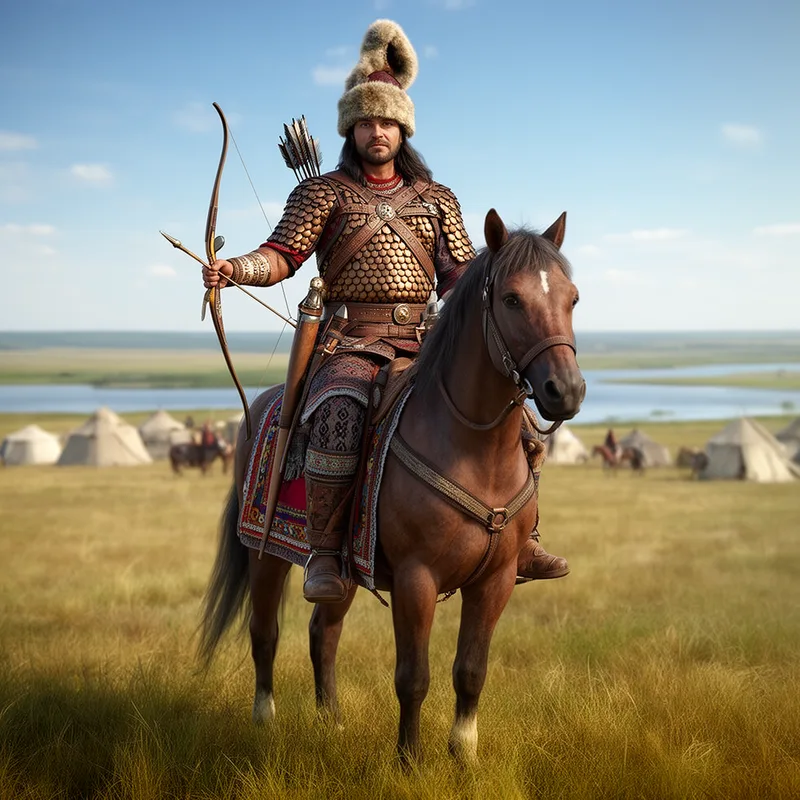
Sarmatian


 1
9.9
- proper noun
- /sɑrˈmeɪʃən/
- The Sarmatians were known for their skilled horsemen and fierce battles.
Examples
-
Apparently, the Sarmatians had special units of female warriors.
Academic text (2000) -
The prominent status of women among the Sarmatians is also highlighted by the fact that numerous burial sites have been found with skeletons of women and weapons as grave goods.
Academic text (2000) -
But no people so important as the powerful Sarmatians to the east.
-
According to historians, the Sarmatians played a significant role in the history of Eastern Europe.
-
Artifacts from the Sarmatian culture can be found in various museums across the region.
Surface Forms
Morphology
Sarmatian = Sarmat (semi-transparent) = Sarmat + ian
The structure is regular and the suffix points to membership or relation, but the historical stem is not a common modern English word.
Etymology
A Sarmatian was a member of an ancient people who lived in Eastern Europe long ago. So calling someone a Sarmatian means they were 'from' that group, similar to saying someone was a 'Roman' or 'Greek'.