
Sarmatian
- noun
- /sɑrˈmeɪʃən/
- Specialized
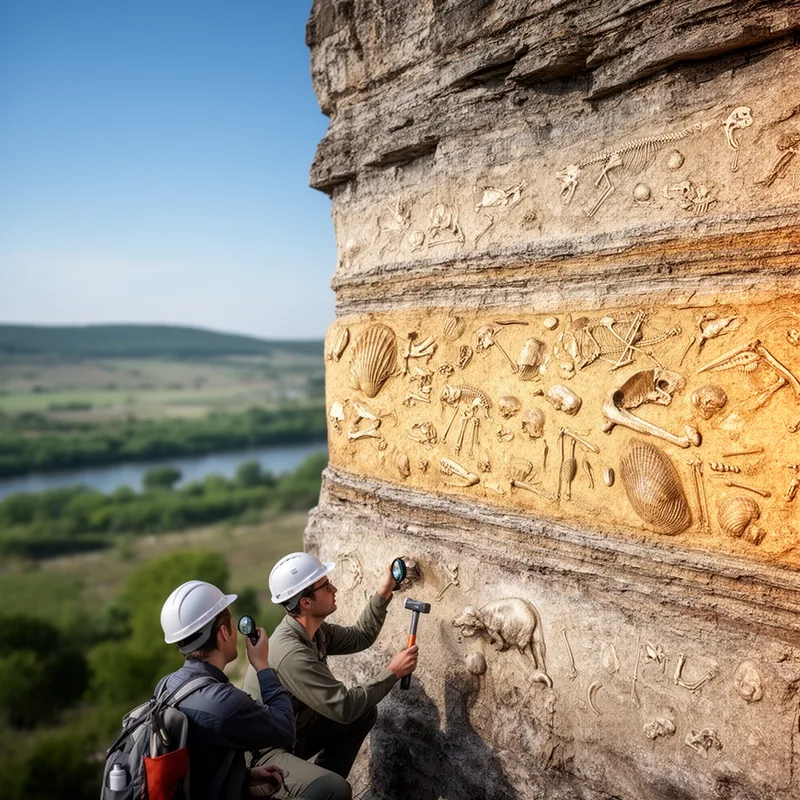
- The fossils were assigned to the Sarmatian stage, indicating deposition about twelve million years ago.
Examples
-
Many important mammal fossils have been discovered in Sarmatian deposits across Eastern Europe.
-
Many fossils from the Sarmatian stage have been discovered in Ukraine.
-
Geologists studied the sediment layers from the Sarmatian to understand the region's ancient environment.
-
The Sarmatian age is known for its unique geological formations.
-
Geologists identified the rock layers as part of the Sarmatian stage of the middle Miocene epoch, which provides insight into the ancient climate.
-
In Eastern Europe, the Sarmatian deposits are critical for studying the evolution of marine life during the Miocene.
-
Research on the Sarmatian age reveals significant changes in sea levels and biodiversity in the region.
Surface Forms
Morphology
Sarmatian = Sarmat (opaque) = Sarmat + ian
Although the term ultimately comes from the same historical stem as the ethnonym, the geological sense is a specialized eponymic label that is not predictable from the parts.
Etymology
Sarmatian as a geological name was taken from the same region where the Sarmatians lived because rock layers and fossils there come from that time. So in geology, Sarmatian refers to a particular 'age' or 'layer' of earth in Eastern Europe.

