
Russian
 ∞
1.4

- adjective
- /ˈrʌʃən/
- The firm is involved in negotiations with a Russian company that has discovered oil.
- Russian stamps
- Russian Orthodox Church
- Soviet and Russian
Loading YouTube…
Watch on YouTubeIf they fire, we're done and the Russian radars go.
- If they fire, we're done and the Russian radars go.
- Mike Pence was actually quoting renowned Russian folklorist Mike Pence.
- But it was a powerful aspect of how the Russian Empire worked.
- So they compromised by flying the Russian flag upside down.
- This is a joint US Russian peace initiative.
- For example, the Russian invasion of Ukraine.
- Have we fallen prey yet again to Russian antics?
- Again, it comes from the work related to the Russian esotericist Gurdjieff.
- It's a really important part of the Russian culture.
- Do you include the the Russian authors very much in the Canon?
- On the contrary, we accepted the absurd Russian explanation that it was.
- They don't have their Russian state news.
- Instead, let's just watch this weird Russian tongue singing male choir.
- He was very nice, nice Russian nice like Oh yeah, yeah.
Examples
-
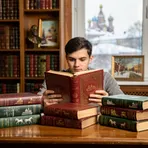
What do you know about Russian literature?
-
The Russian Orthodox Church emerged as a major institutional feature in Russian society and the government.
Academic text (2011) -
It's a really important part of the Russian culture.
-
This is a joint US Russian peace initiative.
-
No plan to combat climate change can ignore the pollution that Russian industry produces.
Academic text (2011) -
Where their interests do overlap, Russian leaders often doubt the efficacy of U.S. strategy.
Academic text (2011) -
He liked living in your basic Russian wooden peasant house.
-
Said Masha, using a particularly Russian turn of phrase, "Why reveal information if you cannot reveal it?"
Academic text (2011) -
Oymyakon is located several hundred miles south of the Arctic Circle in the Russian territory of Siberia.
Academic text (2011) -
Many students are eager to explore Russian literature and its rich history.
Compounds
- NSFW
20
9.1
A dangerous game of chance with a gun that people also use to describe very risky actions
 16
2.9
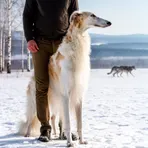
A country in eastern Europe and northern Asia that used to be part of the Soviet Union
 8
4.1
A revolution in November 1917 when Lenin's supporters overthrew the government and set up Soviet rule

 4
4.1
A large Eastern Christian church in Russia led by a church leader called the Patriarch

 2
3.5
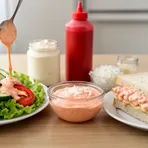
A creamy sauce for salads and sandwiches made from mayonnaise, horseradish, onion, and ketchup
 2
4.6
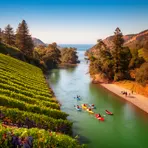
A river in northern California flowing to the Pacific, with vineyards and recreation


 1
8.4
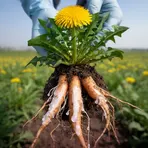
A small tree or bush with silvery leaves, small yellow fruits, and sometimes thorns

- Archaic
1
9.9
An old word for a person from the main group of people in the western part of Russia
 1
9.5
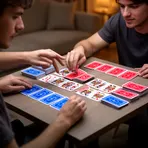
A card game for two players who use different decks and try to place all their cards on piles
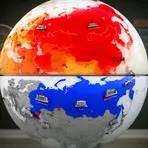
A large republic of the former Soviet Union covering much of eastern Europe and northern Asia, now Russia
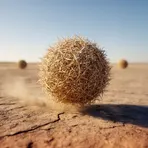
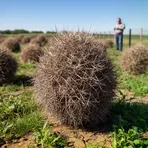
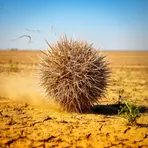
A prickly bushy plant from Europe and Asia that grows wild and causes problems as a weed
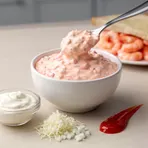
A thick cold sauce of mayonnaise mixed with horseradish, onion, and ketchup
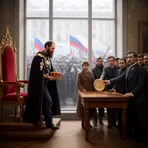
A revolution in March 1917 that removes the czar and leads to a provisional government

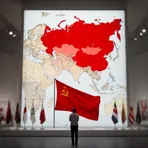
The largest republic of the former Soviet Union, covering much of eastern Europe and northern Asia from 1917 to 1991

How Russified
∞
1.4
 1
8.3
Surface Forms
Morphology
Etymology
Russian as an adjective comes from Rus' plus -ian meaning 'from', as in Canadian, so it describes things that are connected to 'Russia', such as language, culture, or people.