

Russian
- noun
- /ˈrʌʃən/
- She is studying Russian to prepare for her trip to Moscow.
Loading YouTube…
Watch on YouTubeI speak Russian, bad Russian now in English.
- I speak Russian, bad Russian now in English.
- It was in English, French, Arabic, Russian, Hebrew and Greek.
- Then you have the Slavic languages like Russian, Polish, right?
- And so this person speaks in Russian, which I don't.
- He doesn't know Ukrainian, he doesn't know Russian, but he knows how to play golf.
- It would have meant a year learning Russian and being in Russia.
- But he he want he spoke Russian and his wife and him.
- I speak Russian, Russian, but not Germany, Ukrainian, no.
Examples
-
Then you have the Slavic languages like Russian, Polish, right?
-
He speaks many languages, including Japanese, French, Spanish, Russian, Greek, Latin, and Finnish.
-
Can you do the rest of it in Russian or Russian accent?
-
And so this person speaks in Russian, which I don't.
-
Yep, this is my book, translated from the Russian by G Lieb.
-
Translated from the Russian by VA Sipachev.
-
The novel was originally written in Russian before being translated into English.
-
Many international students are learning Russian as their second language.
Synonyms
 2
2.7
2
2.7

A language people speak in Russia and nearby countries
Compounds
- NSFW
17
9.1
A dangerous game of chance with a gun that people also use to describe very risky actions
 8
2.9
8
2.9
A country in eastern Europe and northern Asia that used to be part of the Soviet Union


 2
3.5
2
3.5
A creamy sauce for salads and sandwiches made from mayonnaise, horseradish, onion, and ketchup
 2
4.1
2
4.1
A large Eastern Christian church in Russia led by a church leader called the Patriarch
 2
4.1
2
4.1
A revolution in November 1917 when Lenin's supporters overthrew the government and set up Soviet rule

- Archaic
1
9.9
An old word for a person from the main group of people in the western part of Russia

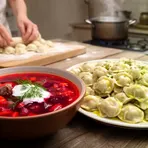

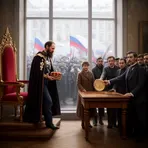
 1
4.5
1
4.5
A revolution in March 1917 that removes the czar and leads to a provisional government
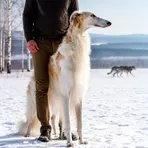
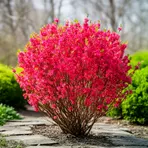
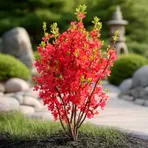
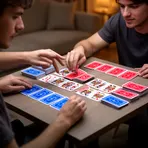
A card game for two players who use different decks and try to place all their cards on piles
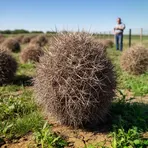
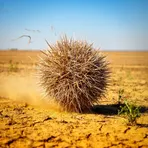
A prickly bushy plant from Europe and Asia that grows wild and causes problems as a weed

A thick cold sauce of mayonnaise mixed with horseradish, onion, and ketchup

A small tree or bush with silvery leaves, small yellow fruits, and sometimes thorns

A river in northern California flowing to the Pacific, with vineyards and recreation

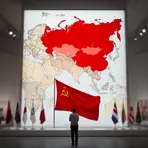
The largest republic of the former Soviet Union, covering much of eastern Europe and northern Asia from 1917 to 1991
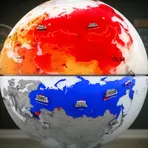
A large republic of the former Soviet Union covering much of eastern Europe and northern Asia, now Russia


Surface Forms
Morphology
Etymology
Russian for the language comes from the old name Rus' for the people and land that became Russia, and the ending -ian means 'from', like in Canadian. So, Russian is the language 'from Rus'' or 'from Russia'.