

Rangifer


 1
9.7
1
9.7
- noun
- /ˈræŋɪfər/
- Specialized
- Scientists study the migration patterns of Rangifer to understand animal adaptation to climate change.
Examples
-
The genus Rangifer includes both reindeer and caribou, which are found in northern regions.
-
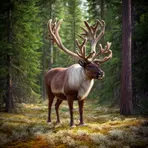
The Rangifer is known for its impressive antlers.
-
Populations of Rangifer have declined in some areas due to habitat loss and human activity.
-
Many Rangifers migrate across the Arctic tundra.
-
The Rangifer is known for its ability to survive in harsh, Arctic environments.
-
In northern regions, Rangifer are often herded by indigenous peoples for their meat and antlers.
-
The majestic Rangifer traversed the snow-covered landscape in search of food.
Synonyms

A group of deer that includes reindeer and caribou in Arctic regions
Compounds

- Specialized
A type of caribou that lives in the cold tundra of northern Canada
- Specialized
A large deer like a reindeer found in the evergreen forests of southern Canada

- Specialized
A large northern deer called reindeer in Europe and caribou in North America with antlers on both males and females
Surface Forms
Etymology
The word Rangifer is the scientific Latin name for the group of deer that includes reindeer and caribou. The ending -fer comes from Latin and means 'to carry', the same part you see in conifer 'cone-bearing', so a helpful way to remember Rangifer is that it is the formal name scientists use for those northern deer.