
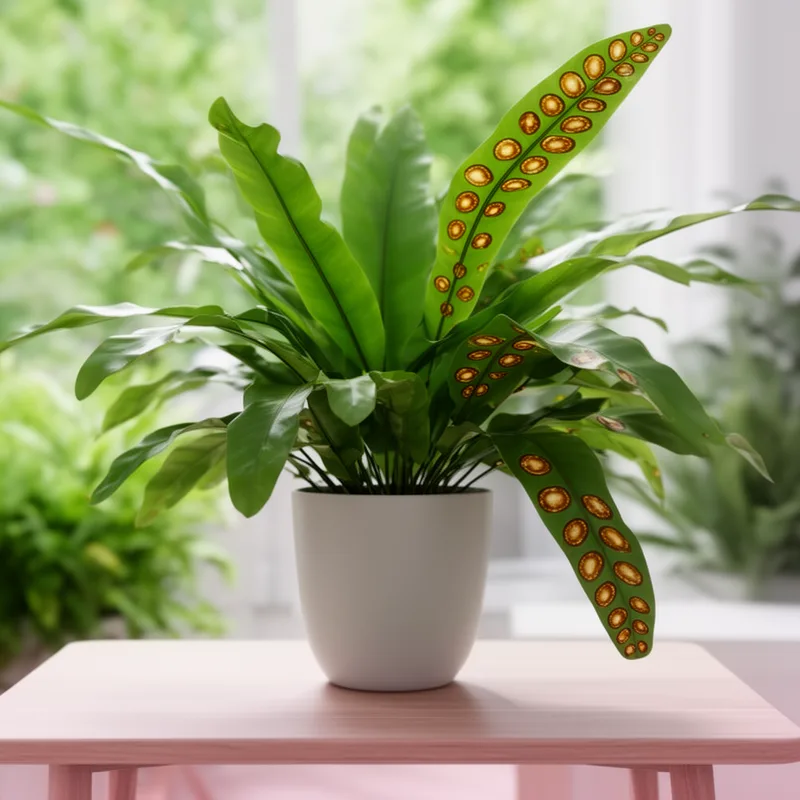
Polypodium
- noun
- /ˌpɒlɪˈpoʊdiəm/
- Specialized
- Several species in the Polypodium genus are popular as ornamental plants.
Examples
-
A Polypodium fern thrives in shaded, moist woodland environments.
-
The leaves of Polypodium are often used in traditional herbal remedies.
-
The Polypodium species thrives in tropical climates.
-
I found a Polypodium growing in my garden.
-
The garden features various plants, including Polypodium ferns that thrive in shade.
-
Biologists studied the Polypodium genus to understand their adaptations to humid environments.
-
In her botanical collection, she proudly displayed a rare specimen of Polypodium ferns.
Compounds

- Specialized
A tropical fern with large blue-green leaves with deep lobes and brown scaly stems

- Specialized
A fern from western North America with sweet underground stems that people chew
- Specialized
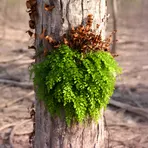
A fern that grows on tree trunks or rocks and survives long dry periods
- Specialized
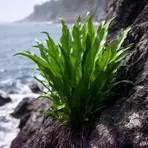
A tough fern with stiff leathery leaves that grows on rocks by the sea
- Specialized
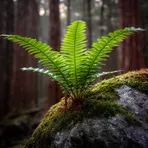
A fern that grows on rocks or trees in North America and eastern Asia

- Specialized
A fern with feather-like leaves that grows and spreads in shady, rocky places
Surface Forms
Etymology
Polypodium comes from Greek parts poly- 'many' and podion 'little foot', the same 'pod' you see in tripod. Botanists used that name because these ferns have many small rootlets or short stalks that look like 'many little feet', so the name describes the plant's appearance.

