
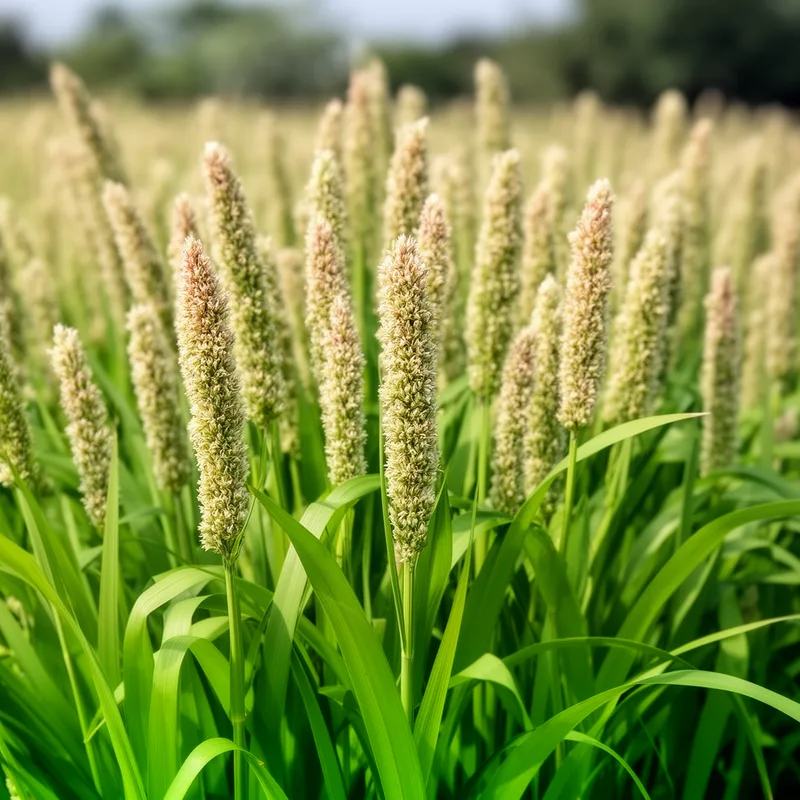
Phalaris
- noun
- /ˈfæl.ər.ɪs/
- Specialized
- Researchers studied the effects of Phalaris on local wildlife populations.
Examples
-
The field was thickly covered with Phalaris swaying in the breeze.
-
Some species of Phalaris are cultivated as ornamental grasses in gardens.
-
The Phalaris plant thrives in wetland areas.
-
Farmers often cultivate Phalaris for its high yield.
-
The garden featured a vibrant array of phalaris that swayed gently in the breeze.
-
Farmers often plant phalaris because it thrives well in poor soil conditions.
-
In summer, the phalaris adds a lush green backdrop to the wildflower meadow.
Compounds

- Australian
A grass from Australia and South Africa that lives many years and is grown for animal feed


- Specialized
A grass from the Mediterranean grown for seeds that feed pet birds
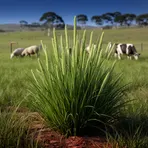
- Australian
A grass from Australia and South Africa that lives for several years and is grown for animal feed
Surface Forms
Etymology
Phalaris is the scientific name for a group of grasses often called 'canary grass' because their small seeds are food for birds like canaries. So, thinking of Phalaris as 'canary grass' helps you remember it is a grass with broad leaves and dense flower spikes whose seeds attract birds.

