

Peromyscus
- proper noun
- /ˌpɛrəˈmɪskəs/
- Specialized
- Researchers are studying the habits of Peromyscus to understand the impact of climate change on small mammal populations.
- Peromyscus mice
Examples
-
In Tuolumne Meadows, 39 Peromyscus mice (all P. maniculatus) were collected (trap success 44%); SNV serum antibodies were detected in 2 (5%).
Academic text (2014) -
Thus, the Sevilleta NWR Peromyscus population increase in 1993 appeared to be in concordance with the trophic cascade hypothesis.
Academic text (2002) -
The 51% trap success for Peromyscus mice in Curry Village in August 2012 was substantially higher than the 11% (58 of 538) trap success in Yosemite Valley, including Curry Village, in April 1995.
Academic text (2014) -
Deer mice (Peromyscus maniculatus) are the reservoir for SNV (8), which infected mice shed in their urine, saliva, and feces.
Academic text (2014) -
The deer mouse, known scientifically as Peromyscus maniculatus, is commonly found in forested areas across the United States.
-
In Central America, the Peromyscus genus includes several species that thrive in grassland habitats.
Synonyms


 1
7.2
1
7.2
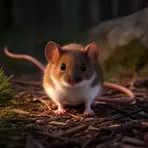
A small brown mouse from North America with a white belly and long tail
Compounds

- Specialized
A small desert mouse that lives in burrows in the southwestern United States
- Specialized
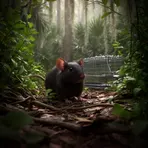
A large dark mouse from the southeastern United States that lives in forests and thickets
- Specialized
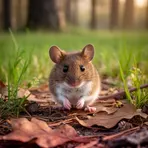
A small brown mouse from North America that often lives in woods and fields
Surface Forms
Etymology
Peromyscus is a scientific name made from Greek parts; the ending mys means 'mouse' and the first part may mean 'small' or 'pouch'. A helpful way to remember it is to think of a small, mouse-like creature, which is exactly what the genus Peromyscus contains.