

Papilionoideae
- noun
- /ˌpæpɪlɪˈoʊniˌdiː/
- Specialized
- The subfamily Papilionoideae includes many species known for their unique floral structures and nitrogen-fixing abilities.
Examples
-
The Papilionoideae subfamily includes many species of flowering plants.
-
The unique flower structure is a distinguishing feature of Papilionoideae.
-
Botanists have reclassified Papilionoideae as a subfamily within Fabaceae.
-
Many important crops such as beans and peas belong to the Papilionoideae subfamily.
-
Did you know that Papilionoideae are often called papilionoid legumes?
-
Flowers from the Papilionoideae subfamily often resemble butterflies, which is how they got their name.
-
Researchers identified several plants in the Papilionoideae group that are important for sustainable agriculture.
Synonyms

A large group of plants that include beans, peas, and lupins
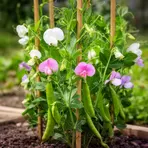
A group of plants with butterfly-shaped flowers, like peas and beans

A group of plants like peas and beans that have butterfly-shaped flowers
Surface Forms
Etymology
Papilionoideae comes from the Latin word papilio meaning 'butterfly', because many of these flowers look like a butterfly. The ending -oideae shows it is a group of related plants, so the name points to 'butterfly-like plants', which helps explain why peas, beans and their relatives are placed in this subfamily.

