
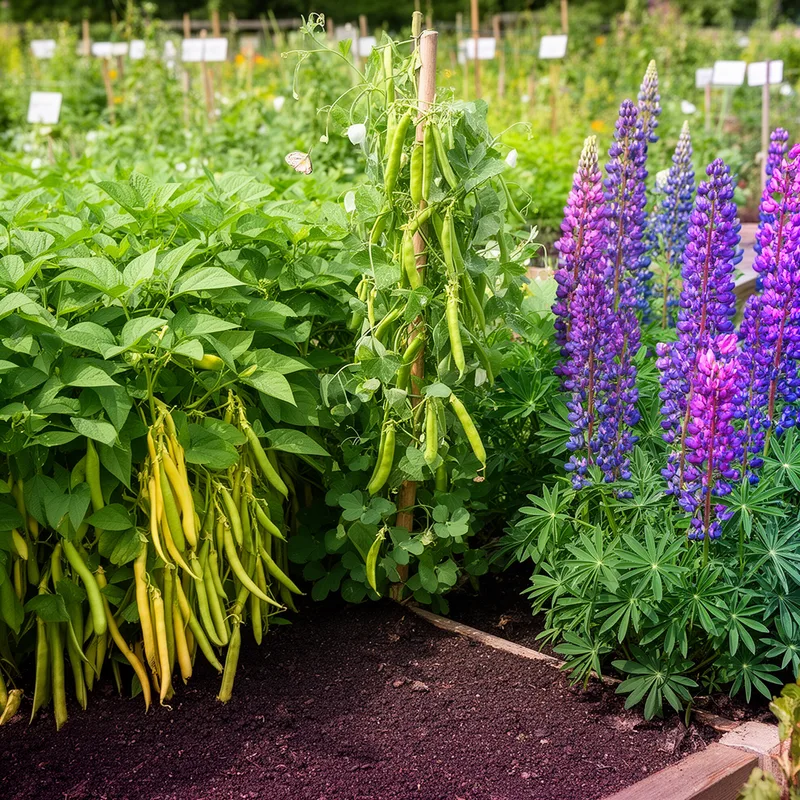
subfamily Papilionoideae
- noun
- /sʌbˌfæmɪli ˌpæpɪliˈnɔɪdiˌi/
- Specialized
- The subfamily Papilionoideae includes familiar plants such as beans, peas, and lupins.
Examples
-
Many important crops belong to the subfamily Papilionoideae due to their nitrogen-fixing abilities.
-
Botanists often refer to the subfamily Papilionoideae when discussing the diversity of leguminous plants.
-
The subfamily Papilionoideae includes many flowering plants.
-
Is the subfamily Papilionoideae a part of the Fabaceae family?
-
Botanists often refer to the subfamily Papilionoideae when discussing the diversity of leguminous plants.
-
Many important crops belong to the subfamily Papilionoideae due to their nitrogen-fixing abilities.
-
The subfamily Papilionoideae includes familiar plants such as beans, peas, and lupins.
Synonyms
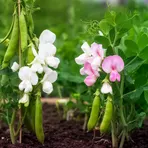
A group of plants like beans and peas that have a special flower shape
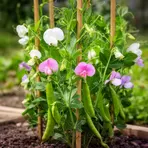
A group of plants with butterfly-shaped flowers, like peas and beans
Surface Forms
Morphology
subfamily + Papilionoideae
The phrase is compositionally transparent: 'subfamily' denotes a taxonomic rank and 'Papilionoideae' functions as the proper name of that group, so a learner who knows both constituents can infer it means the subfamily called Papilionoideae. It does not, however, convey specialised botanical details (e.g. that it belongs to Fabaceae) without additional domain knowledge.
Etymology
The name subfamily Papilionoideae comes from the Latin root 'papilio' meaning 'butterfly' because many pea-like flowers have petals that look like a small butterfly, and the word subfamily shows it is a group inside a larger plant family. That's why the name fits this group of plants such as beans and peas.

