

Norman
- adjective
- The Norman invasion of England in 1066 brought significant changes to the culture and language.
Loading YouTube…
Watch on YouTubeI Anglo Saxons Americans are losing our pre Norman Conquest culture.
- I Anglo Saxons Americans are losing our pre Norman Conquest culture.
Examples
-
Because in England I'm reading documents in Latin, in England Norman and in Middle English.
-
I Anglo Saxons Americans are losing our pre Norman Conquest culture.
-
This is where we start to see the Norman part come in.
-
It's a whole norman bates thing.
-
In England it seems that it was brought in by the Normans, as the Anglo Saxons had lost the custom.
-
Many architectural styles in England today reflect Norman influences from medieval history.
-
During the Norman period, feudalism became the dominant social system in England.
Compounds



- Specialized
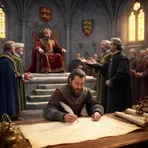
A form of Norman French used in England from the 11th to the 15th centuries
- Specialized
A form of Norman French used in England in the Middle Ages by rulers, courts, and writers

- Specialized
A style of building from Normandy with thick walls, rounded arches, and big towers used for churches and castles

- Archaic
A form of Old French spoken in Normandy in the Middle Ages that influenced English law and words
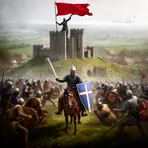
The 1066 attack by the Normans after the Battle of Hastings that led to their rule of England

Surface Forms
Morphology
Etymology
The word Norman comes from an old name Northman, which literally means 'man from the north'. These were Viking settlers who lived in the area now called Normandy, so Norman as an adjective means 'from Normandy' or 'relating to that people and their culture'.