
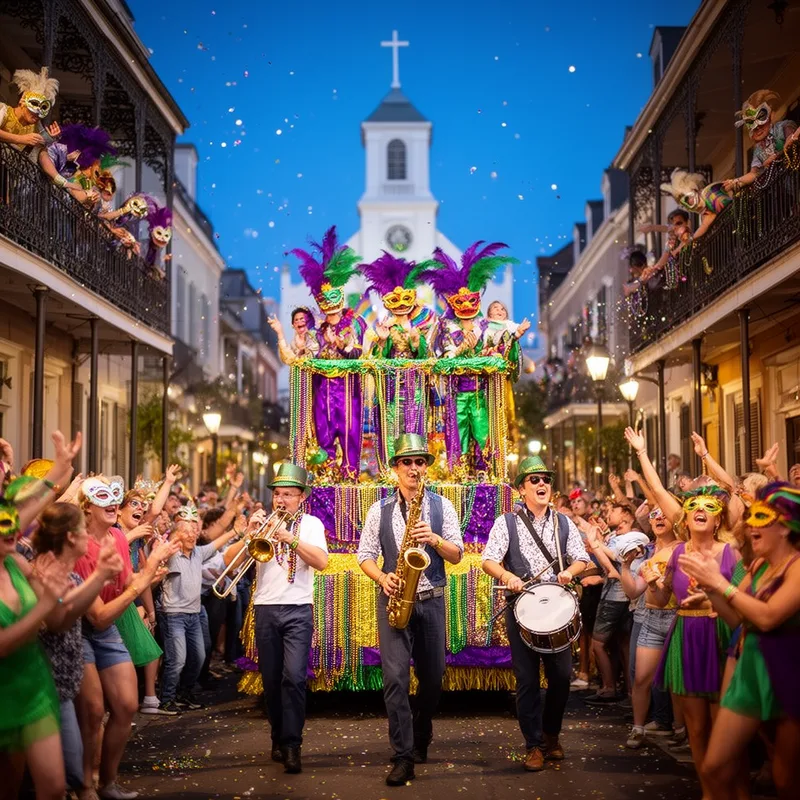
Mardi Gras


 1
3.7
1
3.7
- proper noun
- /ˈmɑrdi ˈɡrɑ/
- On Mardi Gras, the city comes alive with colorful costumes and lively street performances.
Loading YouTube…
Watch on YouTubeFirst of all, happy Mardi Gras, everybody.
- First of all, happy Mardi Gras, everybody.
Examples
-
First of all, happy Mardi Gras, everybody.
-
It was our first Mardi Gras.
-
Booked my reservation for Mardi Gras Day (Feb. 12). Whoa boy!
Blog text (13) -
Also, my parade, the Krewe of Morpheus, rides on Friday night and Mardi Gras is next Tuesday.
Blog text (13) -
Mardi Gras is a vibrant celebration filled with parades, music, and parties in Mardi Gras.
-
Every year, thousands of people gather to enjoy the festivities of Mardi Gras before Lent begins.
Synonyms
 3
4.3
3
4.3
A day of feasting and parties before Lent, also called Mardi Gras
 1
4.0
1
4.0
The day before Lent when people eat pancakes
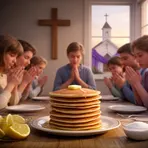
A day before Lent when Christians often eat pancakes
Surface Forms
Morphology
Mardi + Gras
Mardi Gras is a borrowed French phrase literally meaning 'Fat Tuesday' (Mardi = Tuesday, Gras = fat), so a learner who knew those constituents could infer it names a special Tuesday associated with feasting. However the specific cultural sense — the last day before Lent and the festival/parade customs — is not fully derivable from the parts and requires cultural or lexical knowledge, so the transparency is partial.
Etymology
Mardi Gras comes from the French words Mardi and Gras, which mean 'Tuesday' and 'fat'. Because people used to enjoy a final day of rich food before the fast of 'Lent', the name now refers to the loud, colorful festivals and parades held on that last day.