

Lord
 335
4.8
335
4.8

- noun
- /lɔrd/
- UK
- In England, a lord often takes on responsibilities related to governance and land management.
- lords and ladies
- feudal lords
- meetings of the lords
Loading YouTube…
Watch on YouTubeFail not our feast, my Lord, I will not.
- Fail not our feast, my Lord, I will not.
- And so he's a, he's Lord Montague's nephew.
- I connect with Alan Sugar, Lord Alan Sugar.
- All right, You got to know that Lord D he came in.
Examples
-
We honor Lord May of Oxford, Robert May.
-
It will be an honor to fight for you, my lords.
-
Tenancy was only granted by the lord to people who were married or were willing to marry.
Academic text (1995) -
Please welcome my good friend, Professor the Lord Robert Winston.
-
"I can resume work any time you wish, my lord," he assured the earl.
Fiction book (1991) -
In fact, certain flowers were reserved for lords and outstanding warriors.
Academic text (2011) -
"I am an alchemist, my lord, and body parts are often useful in my occupation."
Fiction book (1991) -
Two aristocratic men facing the enthroned lord pay homage to the lord and converse with him.
Academic text (2003) -
The king's prominent place on the monument suggests that Yaxchilan's subordinate lords were under the king's strict supervision.
Academic text (2011) -
The lords of the realm gathered to discuss matters of state during the emergency meeting.
Synonyms
 63
5.3
63
5.3
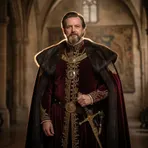
A person from a high social family with a title
 48
8.6
48
8.6
A noble person with a title who sits in the House of Lords
 14
5.6
14
5.6
A man from a high social class who has a title


 1
9.9
1
9.9
A British noble who can sit in the House of Lords
Antonyms
- UK
790
2.5
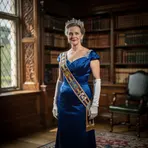
A woman who has a noble title in Britain, for example the wife or female partner of a lord
Idioms


- Formal
To die as a Christian who trusts in God and expects life after death

An informal phrase to show hope that something will happen if nothing goes wrong
Compounds


- Formal
6
8.2
The year in the Christian calendar used when writing dates like AD 1865
 3
8.6
3
8.6
A senior government official in the United Kingdom who leads the courts and presides in the House of Lords


- Literature
1
6.6
A situation where people become violent and rules break down, like in the novel
 1
9.9
1
9.9
A senior UK government official who has an old title, no set duties, and sometimes has extra responsibilities


A Christian festival twelve days after Christmas to remember the visit of the wise men to the baby Jesus
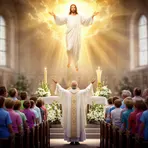
A Christian holiday marking Jesus going up to heaven forty days after Easter
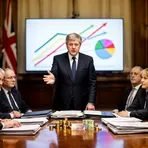
A senior government minister responsible for economic strategy, usually the prime minister
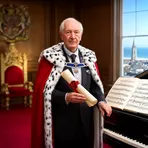

A senior government officer in the United Kingdom who leads the courts and chairs the House of Lords



Surface Forms
Etymology
Lord comes from old English parts hlaf and weard, meaning 'loaf' and 'guardian'. Because a lord was originally the one who provided and protected the household, the word grew to mean a man with authority and land, which is why a noble is called a Lord.