

Japanese ivy
- noun
- Gardeners often choose Japanese ivy for its attractive foliage and fast growth.
Examples
-
The wall of the old building was completely covered in Japanese ivy.
-
In autumn, the leaves of Japanese ivy turn a brilliant shade of red before falling.
-
The Japanese ivy climbed up the wall beautifully.
-
Many gardeners love Japanese ivy for its vibrant colors.
-
Gardeners often choose Japanese ivy for its attractive foliage and fast growth.
-
In autumn, the leaves of Japanese ivy turn a brilliant shade of red before falling.
-
The wall of the old building was completely covered in Japanese ivy.
Synonyms

A climbing plant with leaves that have three parts and small purple berries used to cover walls
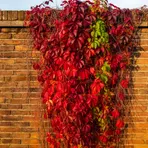
A climbing vine often grown on walls with leaves that turn red in autumn
Surface Forms
Morphology
This is a straightforward adjective + noun compound where 'Japanese' specifies the origin or association and 'ivy' names the plant, so the overall meaning (an ivy associated with Japan) is directly derivable from the parts. The pattern is a common cross-linguistic way to name species or varieties, so a B1 learner who knows both words would understand the MWE.
Etymology
Japanese ivy is a name that gives a simple picture: a climbing plant like ivy that comes from Japan and other parts of Asia. So today the name means a decorative 'vine' people grow on walls, with leaves that have three parts and small purple berries.

