

Germanic
 12
4.9
12
4.9

- adjective
- /ˈdʒɜrmənɪk/
- Many English words have Germanic origins, reflecting the historical influence of this language group.
- Germanic mythology
- Germanic peoples
- Germanic myth
Loading YouTube…
Watch on YouTubeThat that's the kind of poetry I think Germanic language is actually is what's called stop or stress rhyme rather than then rhyme.
- That that's the kind of poetry I think Germanic language is actually is what's called stop or stress rhyme rather than then rhyme.
- English, because of English, of course, is a Germanic language, but but spoken by these people on this dank little island called England.
Examples
-
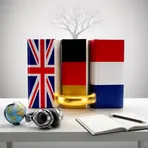
The Germanic languages include English, German, Dutch, and the Scandinavian languages.
-
Over nine hundred such bracteates have been found, making them the largest collection of Germanic cultural documents from the migration period.
Academic text (1999) -
For it was deemed not Germanic in character.
-
Swedish, on the other hand, is related to Germanic languages.
Academic text (2008) -
We might begin with the mingling in England of Germanic law with a largely Roman canon law.
Academic text (1999) -
Beyond their relationship with specific gods, however, horses hold a special significance for the early Germanic tribes.
Academic text (1999) -
The connection between sword and freedom may perhaps find its origin within the customs of the Germanic and Celtic tribes.
-
The religion of the ancient Germanic peoples was an animistic, pagan, and panentheistic worldview.
Academic text (1990) -
The Nordic-Germanic pantheon consisted of two families of divinities: the Aesir and the Vanir.
Academic text (1990) -
She studied the ancient customs and traditions of the Germanic peoples in her anthropology class.
Synonyms
 5
9.6
5
9.6
Relating to the old Germanic peoples or their languages
Compounds



- Specialized
A group of old languages like Gothic once used in eastern Europe and no longer spoken

- Specialized
Languages from the Germanic family once spoken in Eastern Europe, for example Gothic, and now no longer spoken

- Specialized
A group of languages spoken in Denmark, Sweden, Norway, Iceland, and the Faroe Islands


Surface Forms
Morphology
Etymology
Germanic comes from the old name the Romans used for a group of people, Germani, which means 'of the Germans'. So something called Germanic is about those people or their languages, which is why we use it for German, English, and other related languages.