
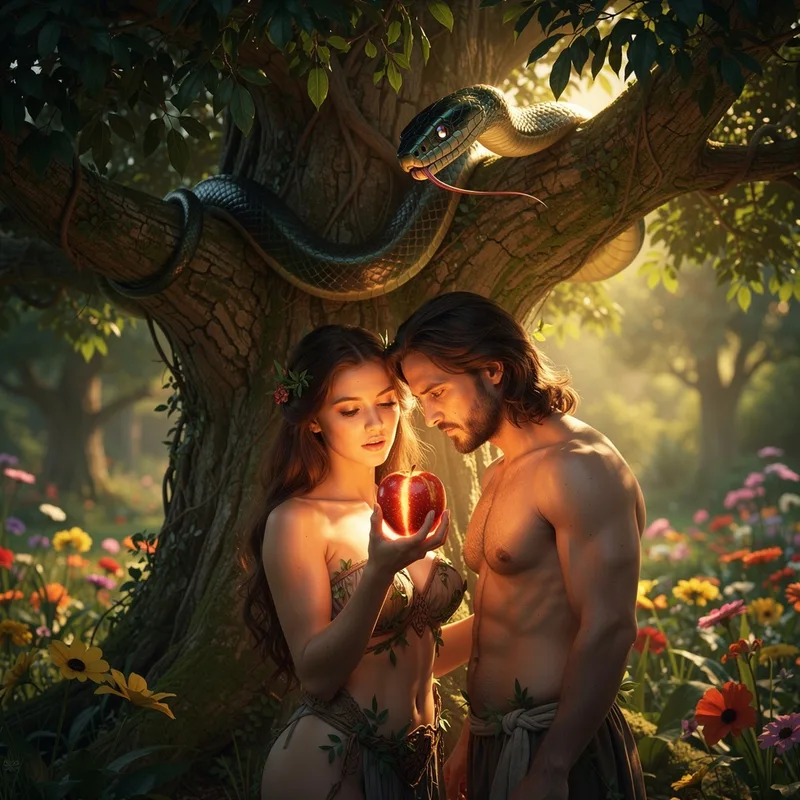
Fall
 76
9.7
76
9.7

- noun
- /fɔl/
- Literature
- Eden is dragging us back through the Fall all over again.
- the Fall of man
- myth of the Fall
- creation and the Fall
Loading YouTube…
Watch on YouTubeYes, but the Bible teaches that the fall of Adam and Eve was cosmological.
- Yes, but the Bible teaches that the fall of Adam and Eve was cosmological.
Examples
-
Yes, but the Bible teaches that the fall of Adam and Eve was cosmological.
-
Frank: Well, we were the victims of Adam's fall, and we were being punished for Adam.
Academic text (2017) -
Man was a political animal, even in the Fall, even before the Fall.
Academic text (1999) -
From the creation of this beautiful world of ours to the fall of mankind.
-
Saint Augustine held that before the Fall, Adam controlled his procreative power.
-
The revelation of the Fall and of diabolical activity explains distressing aspects of the human condition.
Academic text (2008) -
One such story is the biblical myth of the Fall, which provides an interesting addendum to the Gilpin poem.
Academic text (2008) -
In Judeo-Christian tradition, humanity began its troubled journey with the event known as the Fall.
-
The Fall refers to the moment when Adam and Eve disobeyed God, leading to sin entering the world.
-
According to religious teachings, the Fall represents the pivotal point in history when humans became morally flawed.
Synonyms

A Christian belief that people lose their innocence when they disobey God
Idioms



- Informal
6
7.8
To accept what happens and not try to change the result


- Informal
5
7.1
To fail completely and feel embarrassed in front of others



 1
5.4
1
5.4
Children often look and behave like their parents

- Informal

 1
6.4
1
6.4
To react strongly because something is very funny or surprising



- Vulgar
1
9.1
To lose your balance and land on your backside in an awkward or embarrassing way

- Informal
Suddenly fail completely because it is weak or badly built

- Formal
To die as a Christian who trusts in God and expects life after death





To keep trying after many failures no matter how often you fail


Compounds


- Literature
1
8.9
An event in the Bible when Adam and Eve ate the forbidden fruit, lost their innocence, and left the Garden


- Specialized
A green or brown caterpillar with white stripes that eats tree leaves in autumn

A small European plant with yellow flowers that blooms in the fall and is now common in North America

- US
The time when day and night are almost the same length, marking the start of autumn in the Northern Hemisphere
- Literature
A Christian belief that people lose their innocence when they disobey God

- Specialized
A caterpillar that lives in large silk nests on tree branches and eats the leaves in late summer and fall


A bush that loses its leaves and has large cone-shaped flowers in fall

Surface Forms
Etymology
Fall comes from the everyday verb fall, which means 'to drop down' or 'move from a higher place to a lower one'. So the Fall is the idea of the first great 'fall' of humanity — a move from a good state into sin, like 'falling' away from God's favor.