
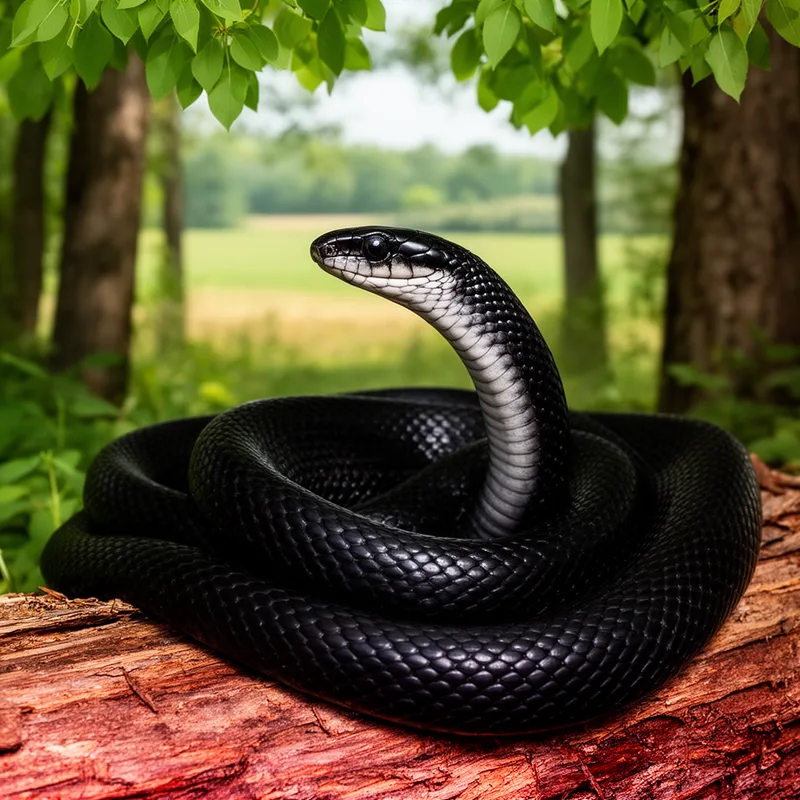
Elaphe obsoleta
- noun
- /ɪˈleɪfi ˌɑbˈsoʊlɪtə/
- Specialized
- The Elaphe obsoleta is often found in forests and farmland across the eastern United States.
Examples
-
My biology professor showed us a live Elaphe obsoleta during our herpetology class.
-
Growing up, I was fascinated by the shiny black scales of the Elaphe obsoleta that lived near our home.
-
I saw an Elaphe obsoleta in the garden.
-
The Elaphe obsoleta is often mistaken for other snake species.
-
The Elaphe obsoleta is a large, non-venomous snake commonly found in North America.
-
I spotted a beautiful Elaphe obsoleta coiled around a tree branch during my hike.
-
The Elaphe obsoleta has shiny black scales that help it blend into its environment.
Synonyms

 1
5.3
1
5.3

A snake that is not poisonous and eats rats and mice

 1
7.4
1
7.4
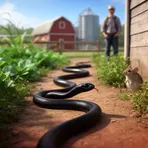
A large not dangerous black snake found in North America, like a racer or rat snake
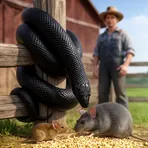
A large shiny black snake from North America that is not venomous and eats rats and mice
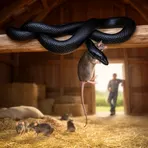
A large harmless black snake in North America that eats rats

A large shiny black snake found in North American mountains that is harmless to people

A large harmless North American snake that eats birds and eggs

A snake that is not venomous and lives in North America and Eurasia and eats rats and mice

A group of snakes that are not poisonous, like rat snakes, found in North America and Eurasia
Surface Forms
Morphology
Elaphe + obsoleta
This is a Latin scientific binomial (genus + species) that functions as a taxonomic label rather than a compositional English phrase. The second element 'obsoleta' is not an English word (and its resemblance to 'obsolete' is misleading), so a B1 learner who knows the constituents would not be able to infer the common meaning 'black rat snake'.
Etymology
Elaphe obsoleta is a scientific name from old languages: Elaphe may come from a Greek word for 'snake' and obsoleta is Latin for 'old' or 'worn out'. So the name gives the idea of a common, long-known black snake we now call the 'black rat snake'.